Skip to content
  • Visit
    • TOURS
    • Accessibility
    • HOURS & LOCATION
    • BECOME A MEMBER
    • ADMISSION
    • GIFT SHOP
  • Exhibits
    • The German Immigrant Experience
    • Play On! German Immigrants and the Quad Cities’ Musical Legacy
    • Violins of Hope Iowa
    • Past Exhibitions
  • Learn
    • GAHC From Home
    • Internships
    • Volunteer
    • Resources
    • Translation Services
    • Book Discussions​
    • Travel
  • Events
  • About
    • About Us
    • Collections
    • DEAI Statement
    • Staff
    • Employment Opportunities
    • Newsletter
    • Contact Us
    • Media Kit
  • Private Events
  • Donate
  • Visit
    • TOURS
    • Accessibility
    • HOURS & LOCATION
    • BECOME A MEMBER
    • ADMISSION
    • GIFT SHOP
  • Exhibits
    • The German Immigrant Experience
    • Play On! German Immigrants and the Quad Cities’ Musical Legacy
    • Violins of Hope Iowa
    • Past Exhibitions
  • Learn
    • GAHC From Home
    • Internships
    • Volunteer
    • Resources
    • Translation Services
    • Book Discussions​
    • Travel
  • Events
  • About
    • About Us
    • Collections
    • DEAI Statement
    • Staff
    • Employment Opportunities
    • Newsletter
    • Contact Us
    • Media Kit
  • Private Events
  • Donate

About Us

About Us

Explore our history from immigrant hotel to modern museum

The mission of the German American Heritage Center is to preserve and enrich for present and future generations knowledge of the German immigrant experience and its impact on American culture.

Our Mission

  • The mission of the German American Heritage Center is to preserve and enrich for present and future generations knowledge of the German immigrant experience and its impact on American culture.

Our Vision

  • Our focus is cultural programs and immigrant contributions. We reach out to other cultural groups and demonstrate the contributions made by immigrants from many countries and from varied backgrounds to the ethnic palette which is the United States.

History

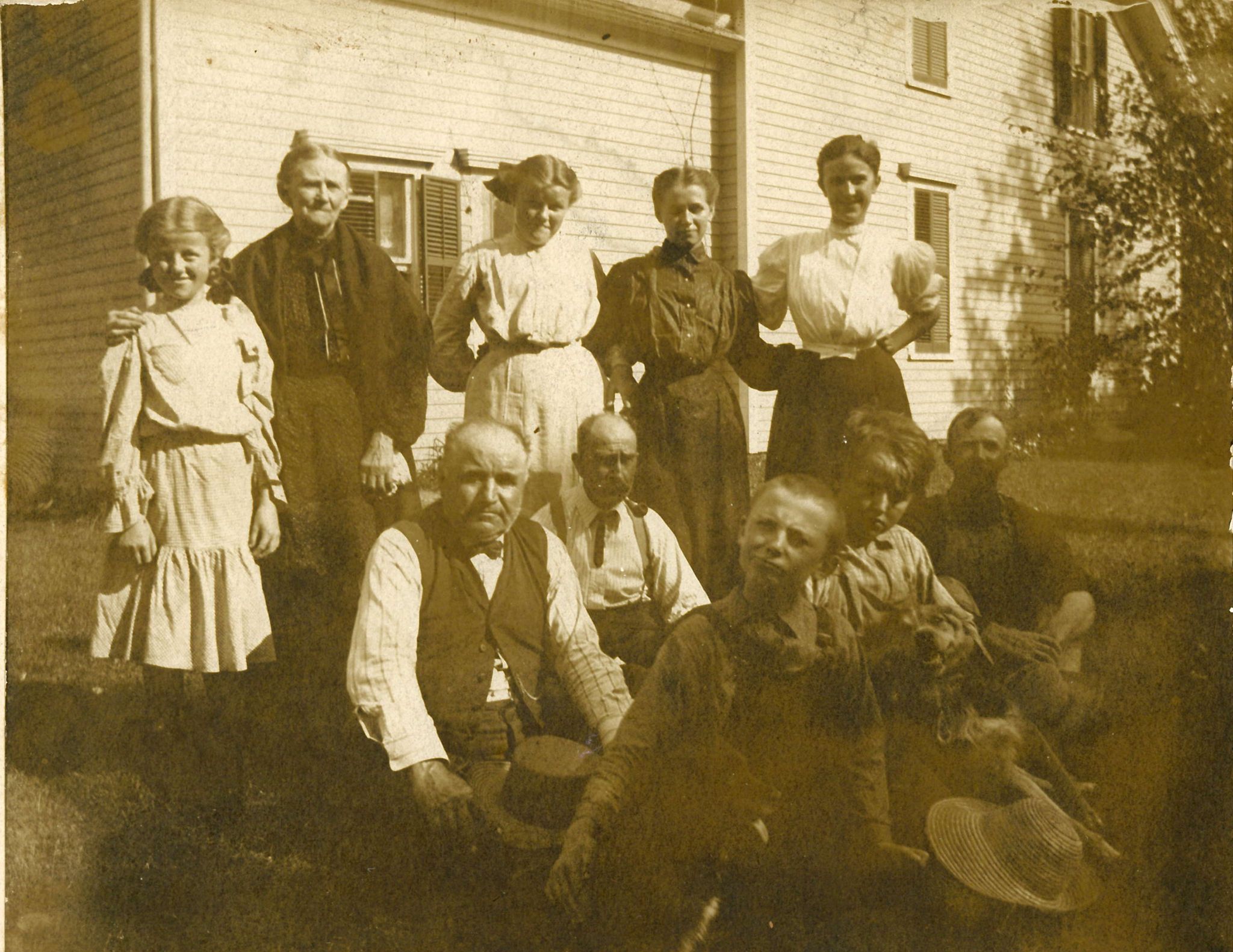
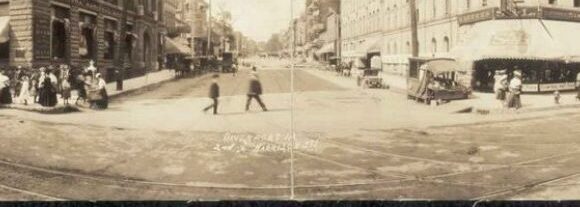
In the mid-to-late 1800s millions of German citizens left their homeland and settled as immigrants in the United States. The 1900 U.S. Census documented that over half the citizens in Iowa, Nebraska, Wisconsin, Minnesota, North Dakota, and South Dakota were German immigrants or their descendants. Scott County, where the first passenger railroad crossed the Mississippi River, was the entry point for many immigrants to the upper Midwest region and points west. In 1900, Joseph Eiboeck, a veteran German newspaperman, described Davenport as, “the most German city, not only in the State, but in all the Middle West, the center of all German activities in the State.”

Founded on August 1, 1994 as a private, not-for-profit organization, the German American Heritage Center and Museum (GAHC+M) seeks to preserve the heritage of our German speaking ancestors for present and future generations and to enrich our knowledge of the German immigrant experience.

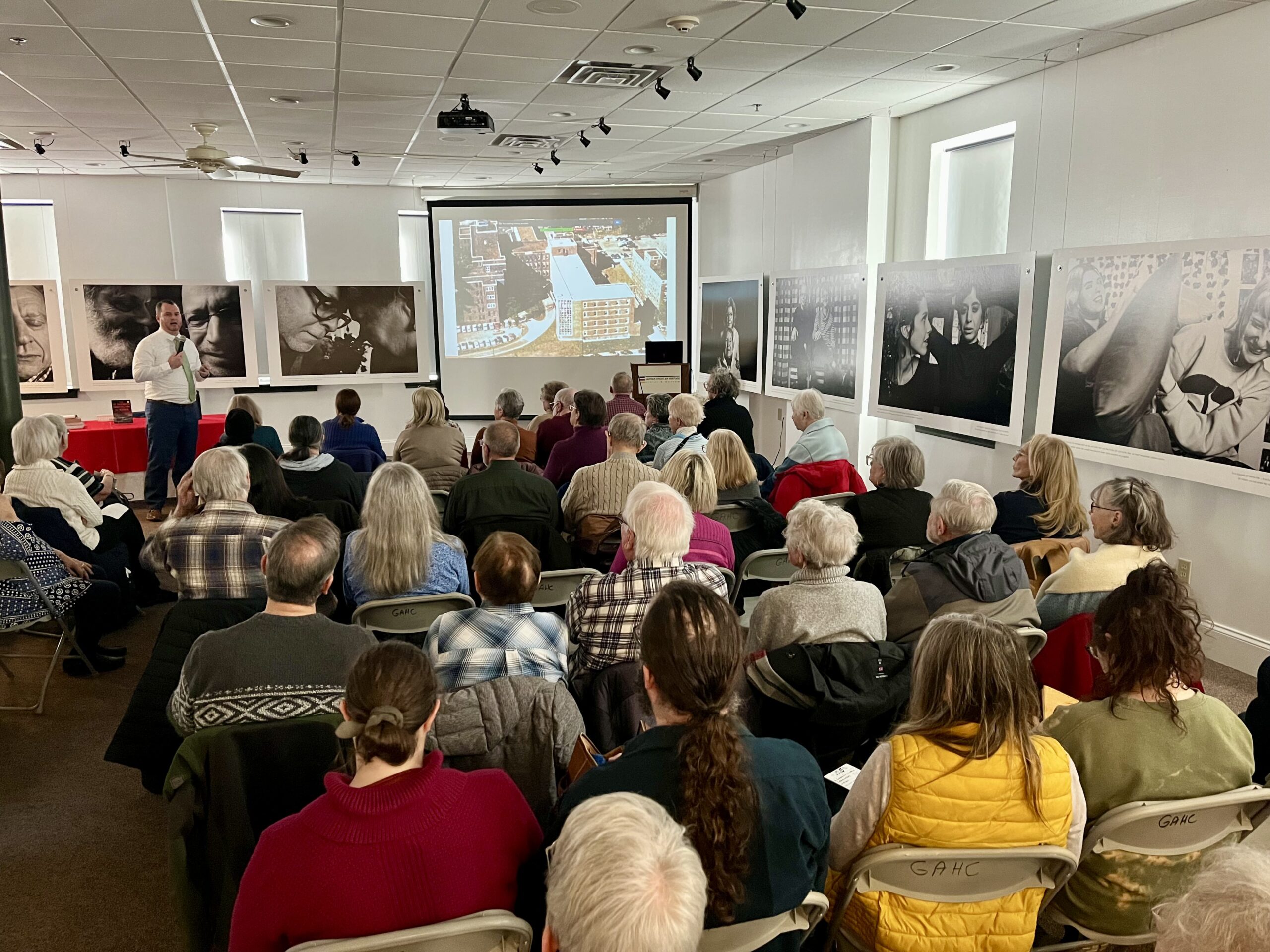
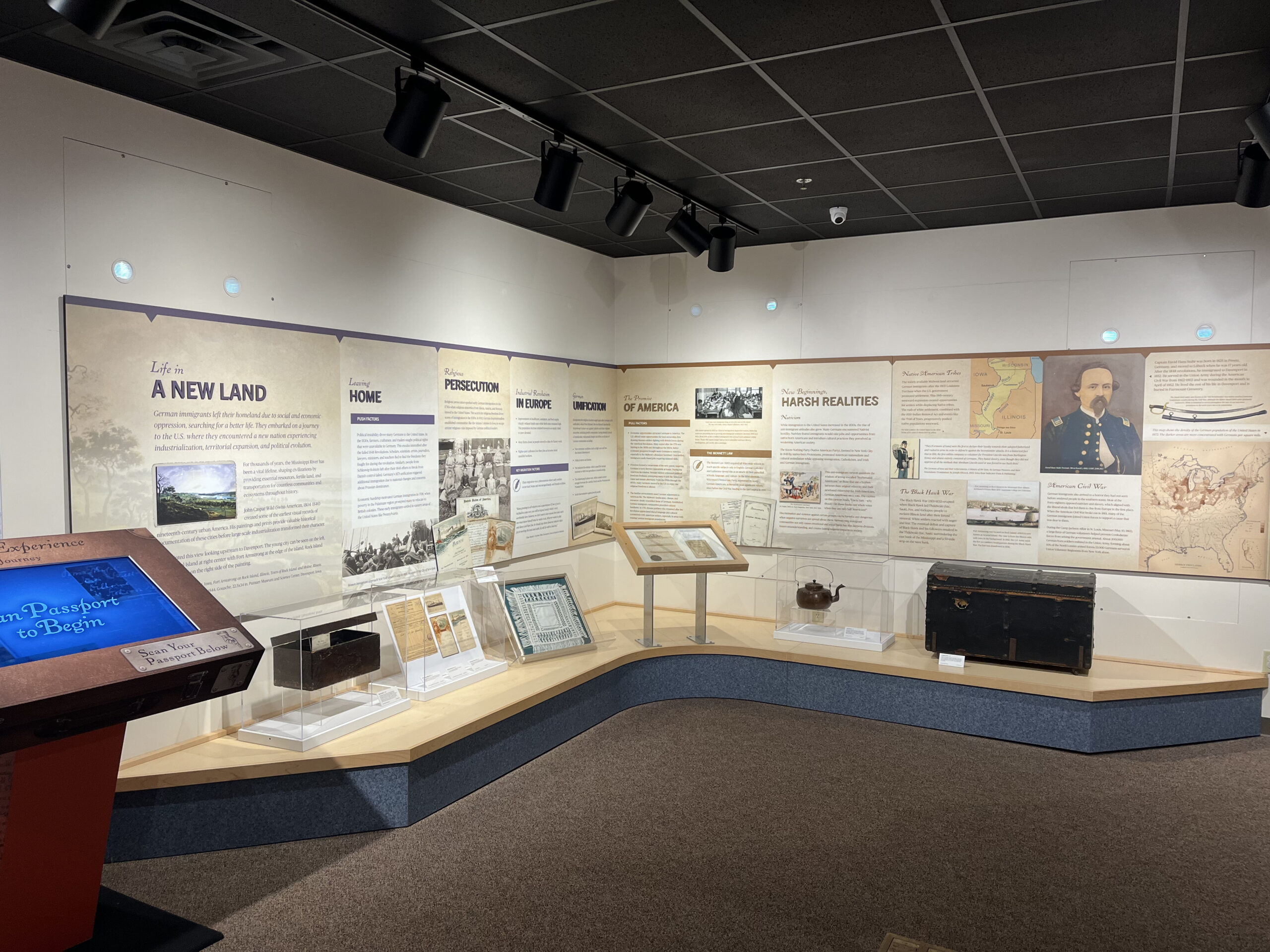
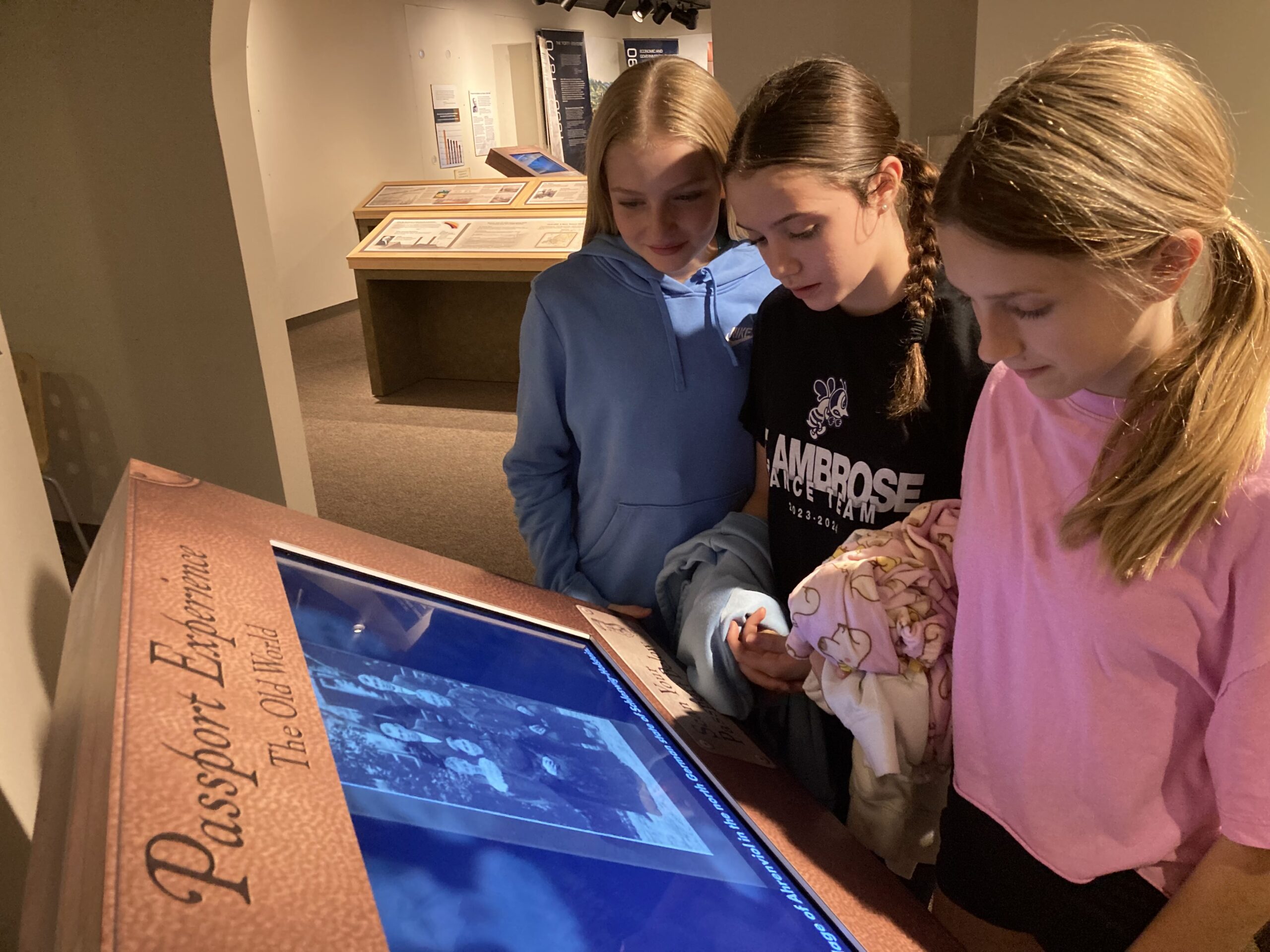
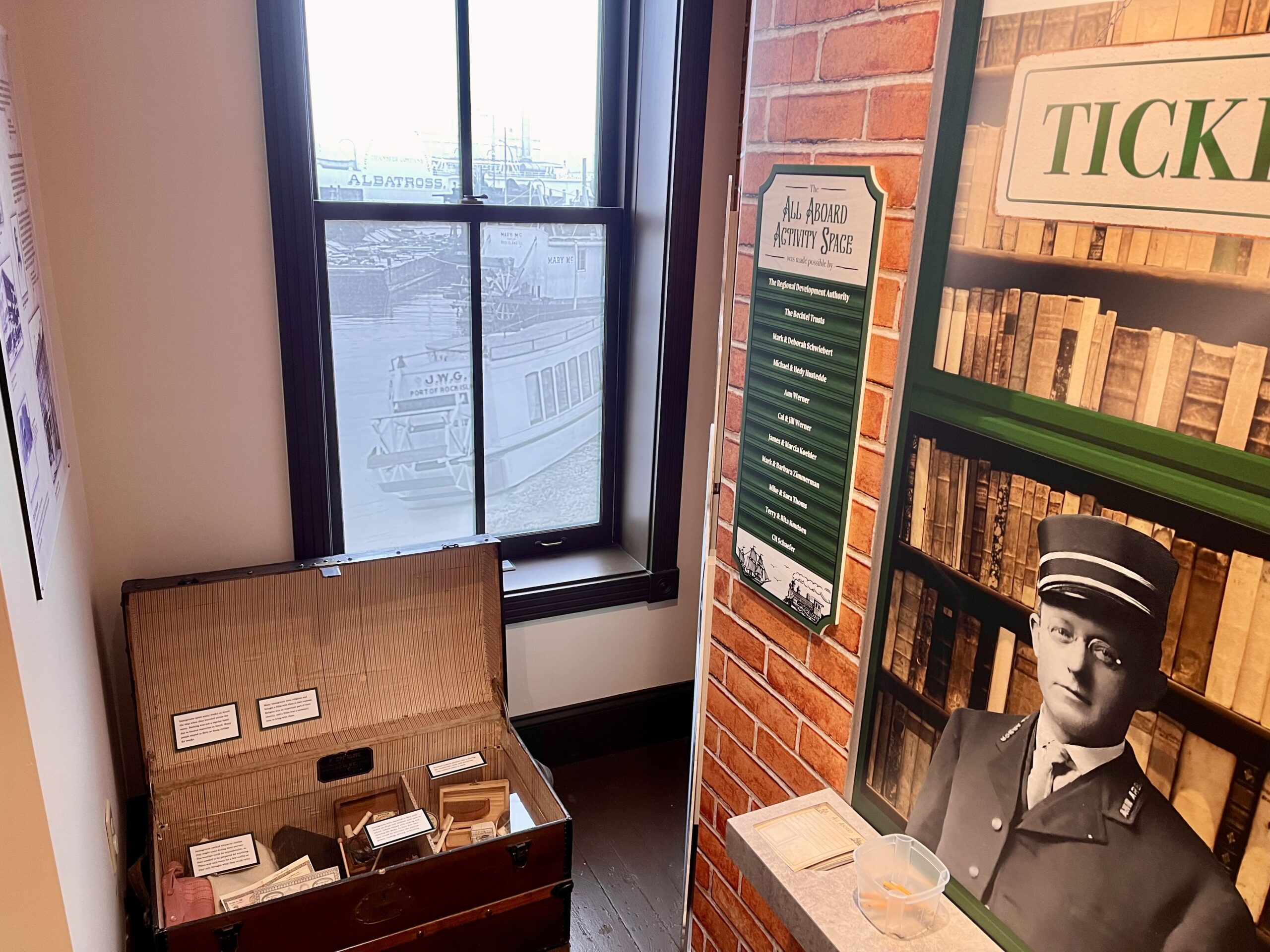
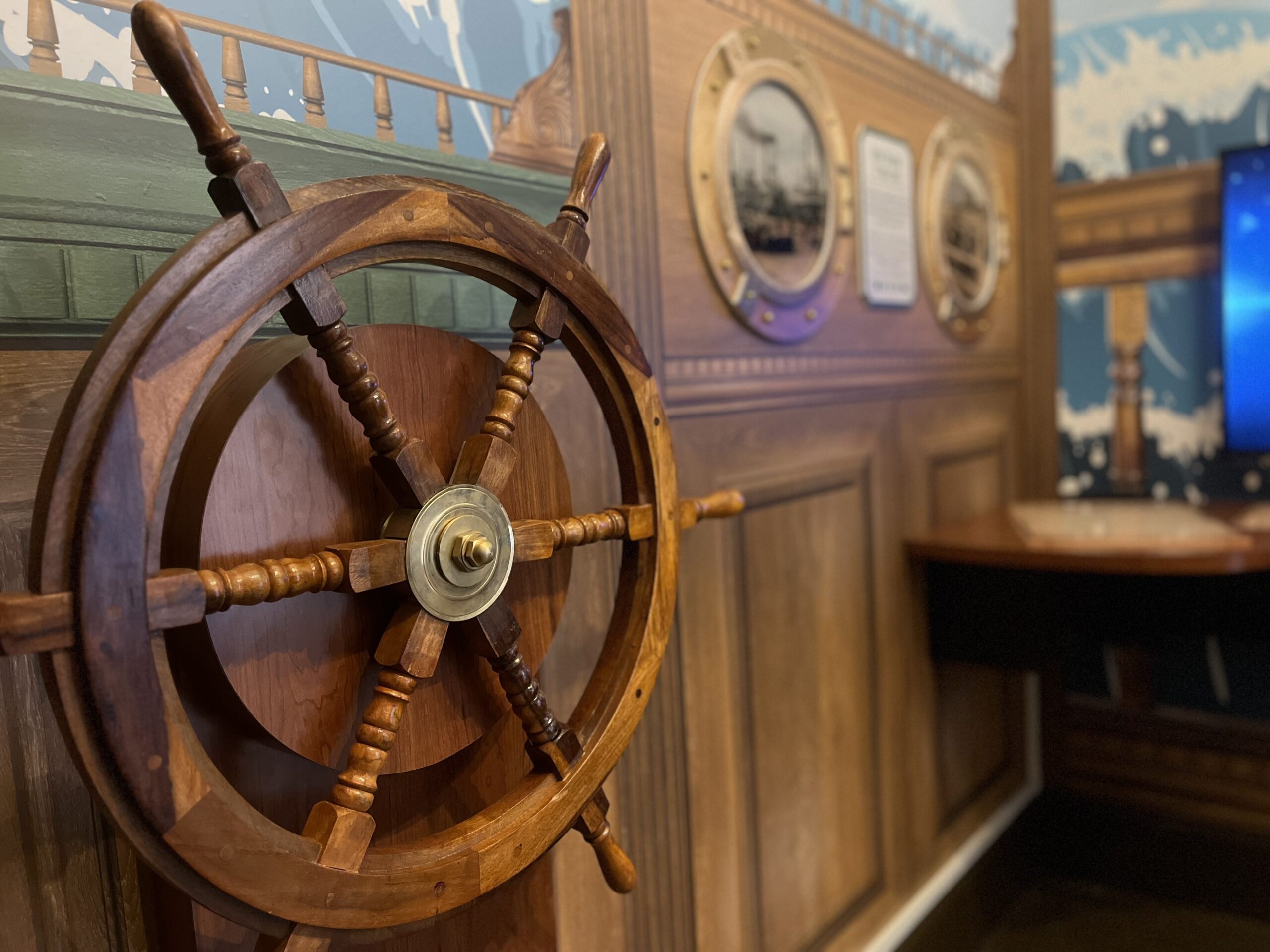
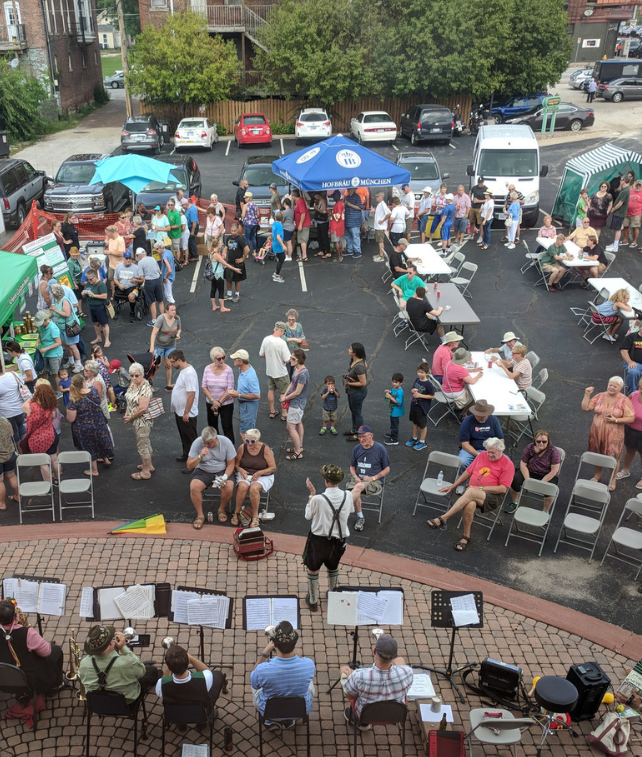
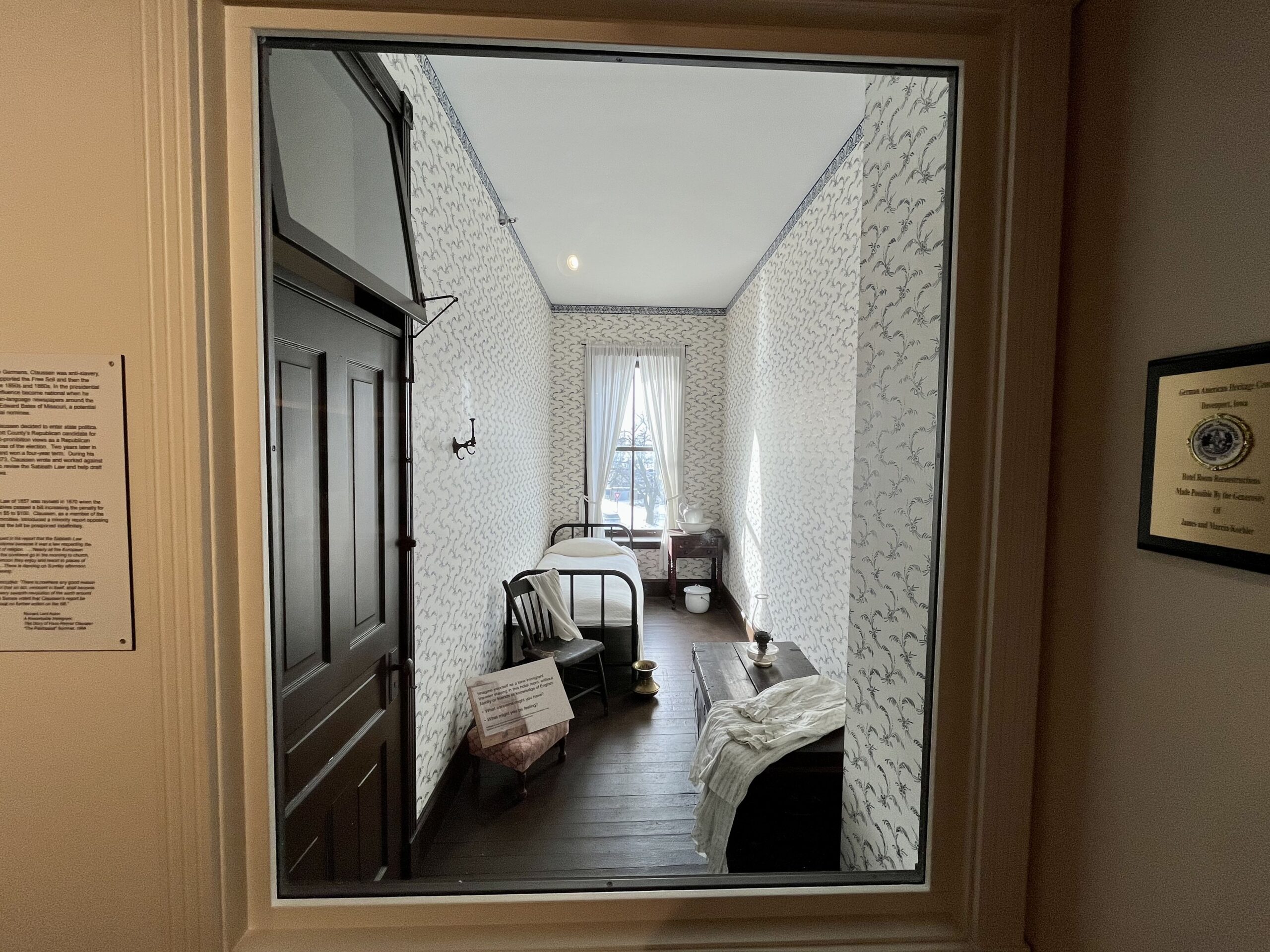
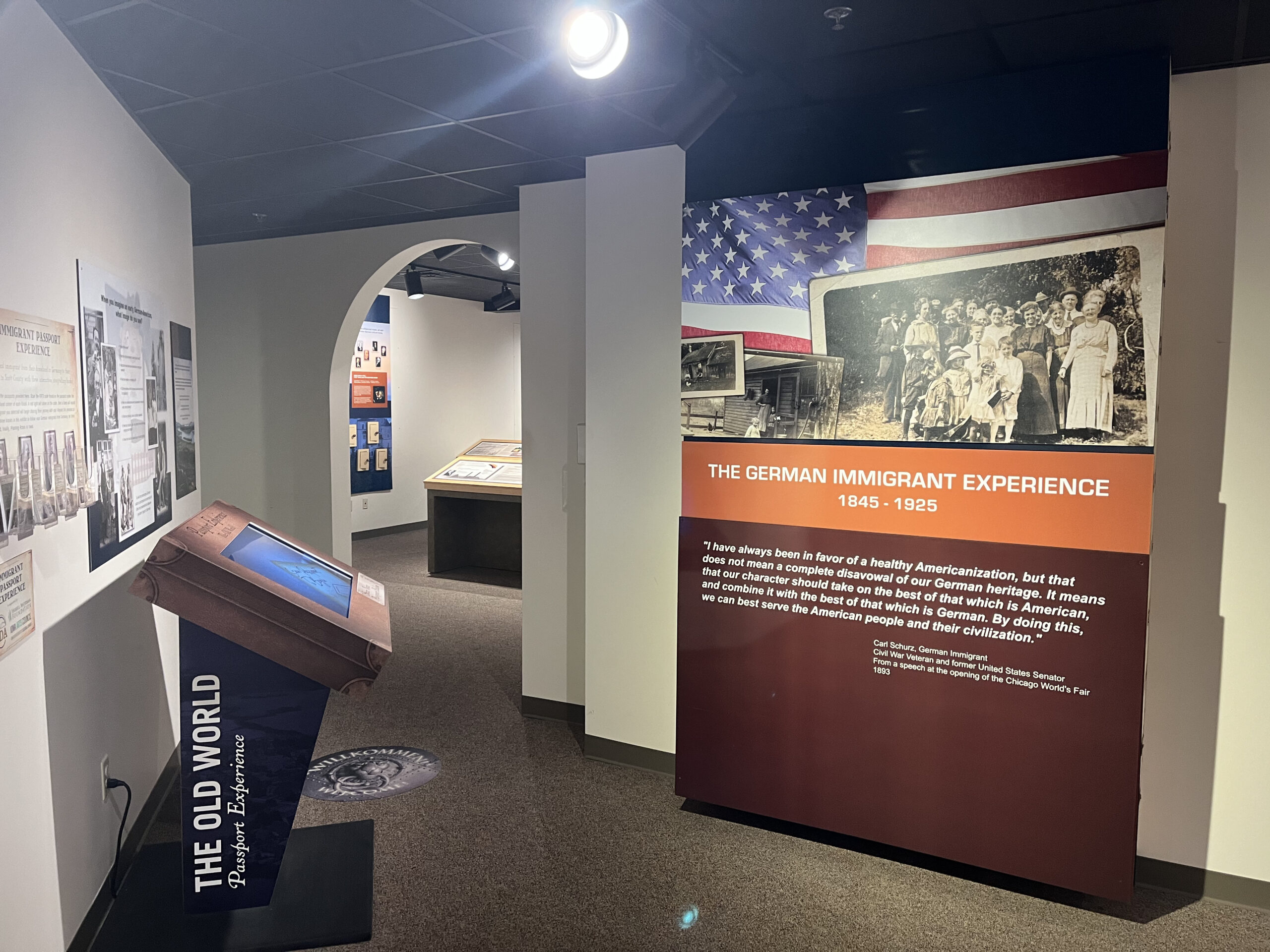
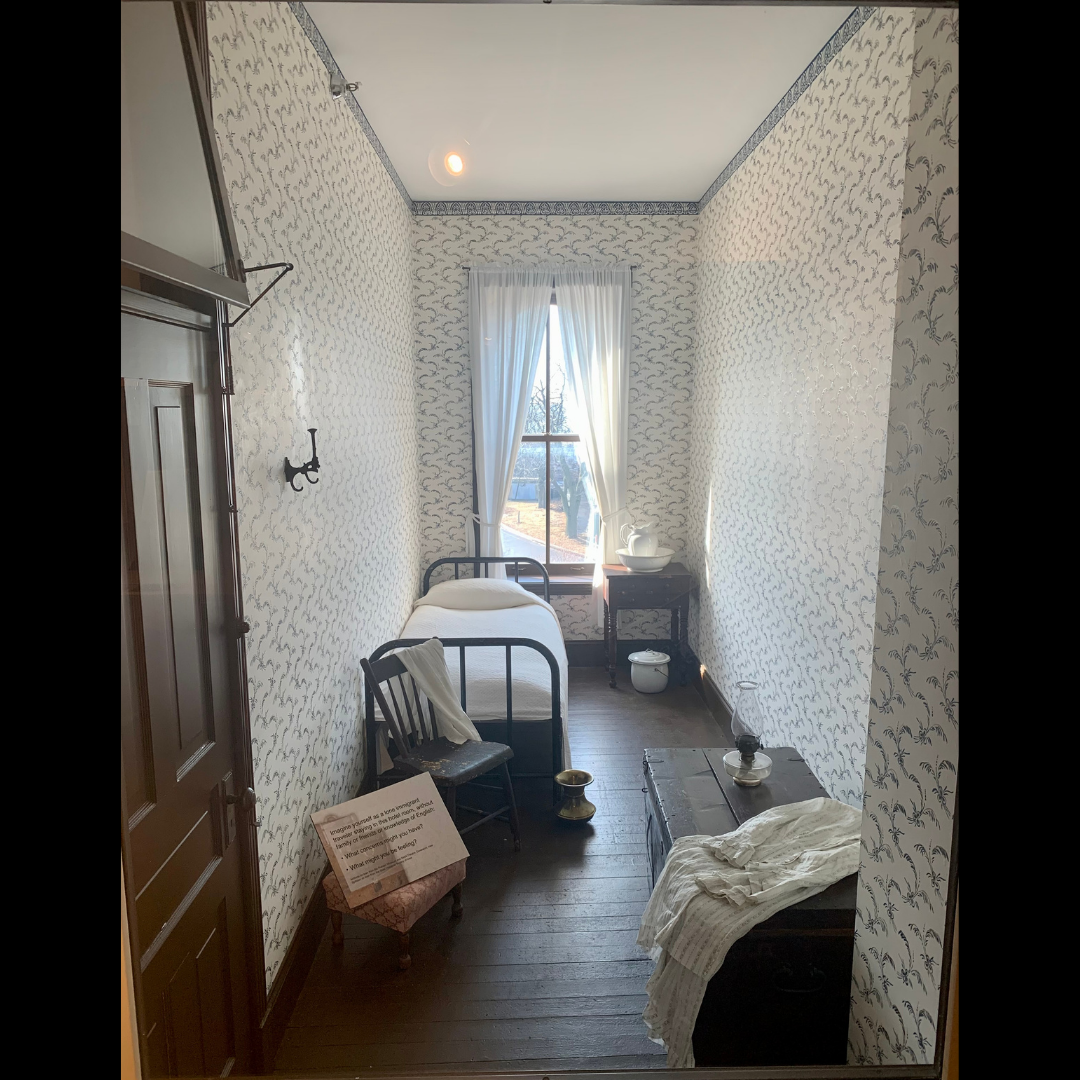
Today GAHC+M, a National Historic Site, has evolved a museum that includes a large permanent exhibition and two rotating special exhibitions. Within the permanent exhibition, visitors enjoy an orientation theater, six education stations, three immigrant passport experiences, a restored hotel room, and All Aboard! children’s activity space. Visitors enjoy an interactive experience as you learn about immigrants’ journey by sea, train, and foot to their final destination at the German American Heritage Center building, which was originally a very busy hotel for thousands of immigrants in the 1860s. One of the highlights in the exhibition is called “Step into my Shoes.” Visitors will find footprints of a child, woman, and man at this section. They can step on any set of the footprints, which then triggers the corresponding character to appear before them on a screen and talk about their personal experience as an immigrant. Throughout this exhibition and the two rotating temporary exhibitions, visitors enjoy exploring many artifacts on display. The museum also provides educational programs, workshops, and classes relating to the German American experience and culture; assists in the coordination of festivals to foster an understanding of German American heritage; provides for cultural exchange through genealogy workshops and production of cultural presentations to the public; and partners with other heritage groups on programs, exhibitions, and events.

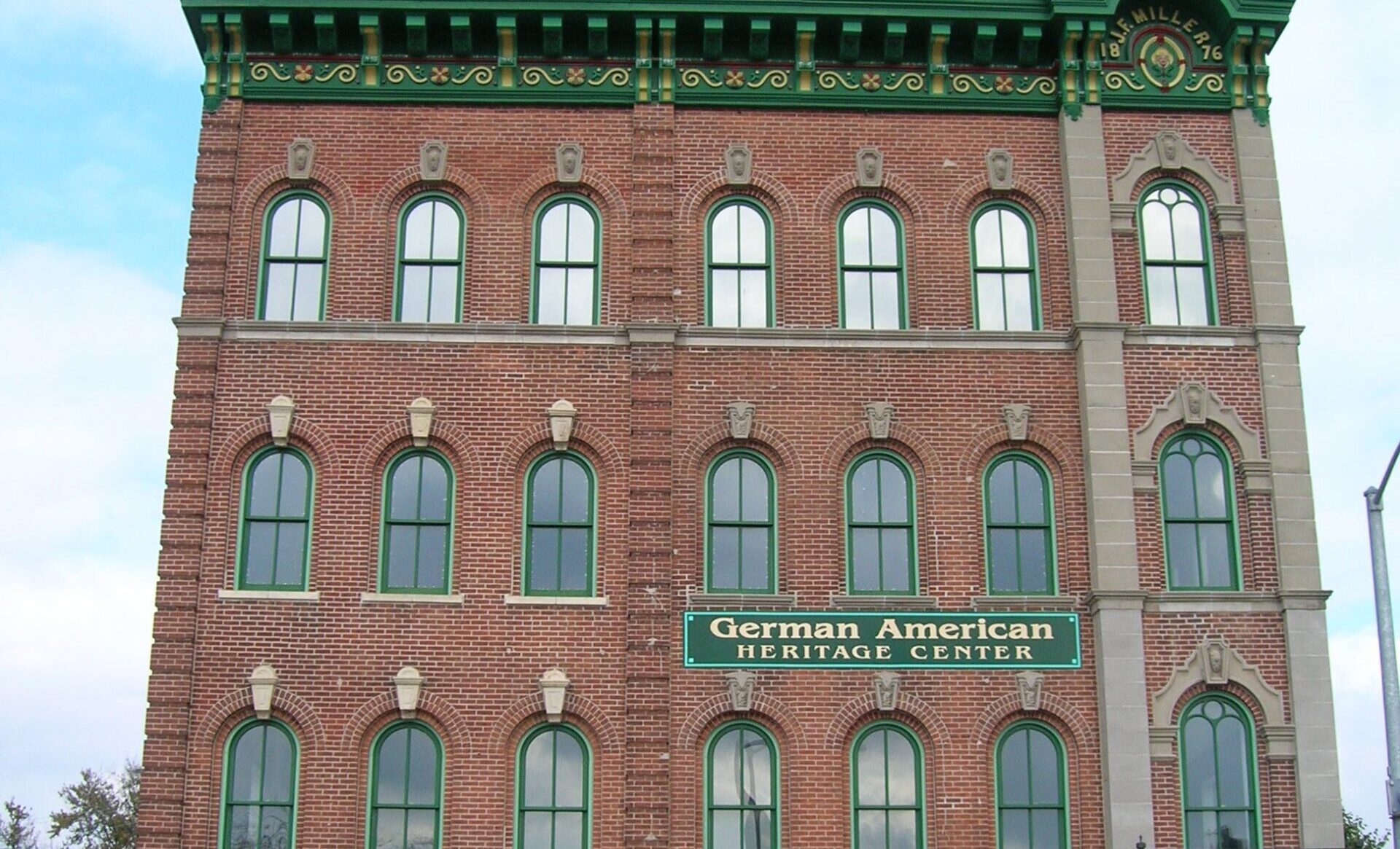
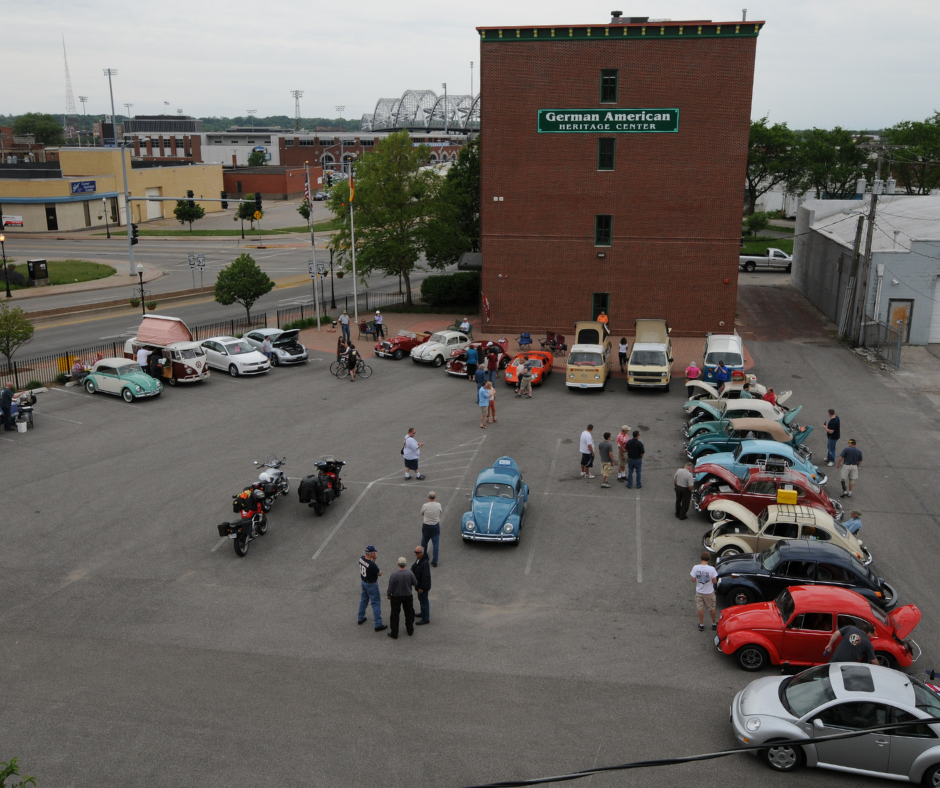
The GAHC+M building was built in the 1860s, and was originally the Standard Hotel where thousands of German immigrants stayed in the 1800s when they arrived in the area. The building was purchased in 1995, partially restored in 1999, and reopened to the public in May, 2000. In October 2009, GAHC+M debuted a newly expanded space including a new large interactive permanent exhibit called the German Immigrant Experience, two traveling exhibition spaces, and large program facilities. GAHC+M offers several new programs based on the new permanent exhibition and two new temporary exhibition spaces.

The German immigrant experience is an integral part of the history and fabric of life in Iowa, in the region and in the nation. The German American Heritage Center and Museum (GAHC+M) was formed in 1994 to document and celebrate this heritage.

The Germania House was among the earliest of many “Gast Haus” buildings in the area. This structure is the last remaining immigrant hotel of that period in the region and is on the National Register of Historic Places. The GAHC+M saved the building from deterioration and potential demolition by raising $1.3 million to restore the exterior of the building and to restore the first and second floors of the four story building for use as a historical center. That work to save this historic treasure and to utilize it as the German American Heritage Center and Museum was completed in 2004.

Collection

For its collection, the German American Heritage Center and Museum considers gifts of objects and archives materials related to German and German-American culture or history, including:

  • Objects brought by German immigrants, preferably before 1920.
  • Objects made or used by German immigrants in the United States.
  • Other objects made or used in the United States which represent the German-American experience.
  • Photographs related to German-American history and experience.
  • Archival material related directly to the history and operation of German American Heritage Center and Museum.


Unfortunately due to limited space capacity we are very selective when accepting donations. We are unable to accept any books or bibles at this time.
ON INSTAGRAM
  • Follow Us!

German American Heritage Center and Museum

germanamericanheritagecenter

1,393 1,742

Museum exploring the German immigrant experience and history of Davenport and Iowa!

Open
We were thrilled to welcome Thomas Meinecke to Davenport on Saturday evening for a special program celebrating Bix Beiderbecke and his music. 

Thomas bought his first jazz record in Germany when he was 14 with pocket change. He quickly fell in love with Bix Beiderbecke and his music. This sparked a lifelong interest in American Jazz, music, and Bix's life. He even recounted tearing a page out of a library book in his youth because it had Bix's portrait on it, and he wanted to hang it in his room!

Now a novelist and Radio DJ, his love of music has shaped his career. This spring he is traveling the United States with the Goethe-Institut to promote his books. During a few days off this weekend, Thomas was excited to make a side trip to Davenport to visit Bix's hometown. Thank you @goetheinstitut.chicago for collaborating with us and making this event possible. We are so thrilled to make international connections and bring exciting events here to the museum. Vielen Dank! 🇩🇪 🇺🇸

We were thrilled to welcome Thomas Meinecke to Davenport on Saturday evening for a special program celebrating Bix Beiderbecke and his music.

Thomas bought his first jazz record in Germany when he was 14 with pocket change. He quickly fell in love with Bix Beiderbecke and his music. This sparked a lifelong interest in American Jazz, music, and Bix`s life. He even recounted tearing a page out of a library book in his youth because it had Bix`s portrait on it, and he wanted to hang it in his room!

Now a novelist and Radio DJ, his love of music has shaped his career. This spring he is traveling the United States with the Goethe-Institut to promote his books. During a few days off this weekend, Thomas was excited to make a side trip to Davenport to visit Bix`s hometown. Thank you @goetheinstitut.chicago for collaborating with us and making this event possible. We are so thrilled to make international connections and bring exciting events here to the museum. Vielen Dank! 🇩🇪 🇺🇸
…

Open
What led to the Holocaust’s escalation? Dr. Robinson Yost breaks down the impact of Operation Barbarossa and why it remains a critical moment in history.

Join us for Kaffee und Kuchen on Sunday April 26th. Registration available online or at the door.

What led to the Holocaust’s escalation? Dr. Robinson Yost breaks down the impact of Operation Barbarossa and why it remains a critical moment in history.

Join us for Kaffee und Kuchen on Sunday April 26th. Registration available online or at the door.
…

Open
Have you seen the Violins of Hope yet?

The last day to view our exhibition is Sunday April 26th. Be sure to stop by and see them before they are gone!

Have you seen the Violins of Hope yet?

The last day to view our exhibition is Sunday April 26th. Be sure to stop by and see them before they are gone!
…

Open
Have you seen the Violins of Hope yet? 

The last day to see these incredible instruments is Sunday April 26th. Be sure to see them at the German American Heritage Center and Museum before they're gone!

Have you seen the Violins of Hope yet?

The last day to see these incredible instruments is Sunday April 26th. Be sure to see them at the German American Heritage Center and Museum before they`re gone!
…

Open
Join us for a FREE program at the German American Heritage Center and Museum in Davenport this Sunday, April 19th. 

In a work of historical fiction based on oral histories, Mary Swander dramatizes the trials of a young Amish man from Kalona, Iowa, who thought he was headed to the Rocky Mountains for a stint of public service as a smoke jumper in lieu of combat during World War II. Instead, he was led off the train by renegade soldiers and illegally imprisoned in a chicken coop with ten other men until the war’s end.

After the performance, join Mary Swander for a discussion about her writing process and the research that went into her new drama called Coop. She will explain object theatre and why she embraced it for this work. She will recount how she got the original idea for the show and the choices she made to bring the story to the stage, how both the set and the script were an act of discovery. She will also provide background on the Amish and the history of their stance of non-violent resistance throughout their history. 

Thank you to Humanities Iowa and the State Historical Society of Iowa for making this program possible. RSVP for this event online: https://events.humanitix.com/coop-a-story-of-an-amish-conscientious-objector

Join us for a FREE program at the German American Heritage Center and Museum in Davenport this Sunday, April 19th.

In a work of historical fiction based on oral histories, Mary Swander dramatizes the trials of a young Amish man from Kalona, Iowa, who thought he was headed to the Rocky Mountains for a stint of public service as a smoke jumper in lieu of combat during World War II. Instead, he was led off the train by renegade soldiers and illegally imprisoned in a chicken coop with ten other men until the war’s end.

After the performance, join Mary Swander for a discussion about her writing process and the research that went into her new drama called Coop. She will explain object theatre and why she embraced it for this work. She will recount how she got the original idea for the show and the choices she made to bring the story to the stage, how both the set and the script were an act of discovery. She will also provide background on the Amish and the history of their stance of non-violent resistance throughout their history.

Thank you to Humanities Iowa and the State Historical Society of Iowa for making this program possible. RSVP for this event online: https://events.humanitix.com/coop-a-story-of-an-amish-conscientious-objector
…

Open
Thomas Meinecke is a German novelist, musician, and Radio DJ. He was born in Hamburg in 1955 and lives in pre-alpine Bavaria south of Munich. His novels are always fueled by music, many kinds of music. The earliest was the music of renowned Davenport musician, Bix Beiderbecke.

"A poster of him with his cornet hung in my room when I was a teenager. On my tour across the United States in April with my novels, it is a dream come true to come to Davenport and listen to some of my favorite Bix records with you and talk about the mystery of his very special music."

Join us for an evening of refreshments, conversation, and listening sessions with Thomas Meinecke as he shares his love of music and Bix Beiderbecke. Thank you to the @goetheinstitut.chicago for making this program possible.

Doors 5:00
Program 5:30

Free and open to the public, suggested donation $10.
Cash Bar available.
RSVP here: https://events.humanitix.com/a-musical-evening-with-thomas-meinecke

Thomas Meinecke is a German novelist, musician, and Radio DJ. He was born in Hamburg in 1955 and lives in pre-alpine Bavaria south of Munich. His novels are always fueled by music, many kinds of music. The earliest was the music of renowned Davenport musician, Bix Beiderbecke.

"A poster of him with his cornet hung in my room when I was a teenager. On my tour across the United States in April with my novels, it is a dream come true to come to Davenport and listen to some of my favorite Bix records with you and talk about the mystery of his very special music."

Join us for an evening of refreshments, conversation, and listening sessions with Thomas Meinecke as he shares his love of music and Bix Beiderbecke. Thank you to the @goetheinstitut.chicago for making this program possible.

Doors 5:00
Program 5:30

Free and open to the public, suggested donation $10.
Cash Bar available.
RSVP here: https://events.humanitix.com/a-musical-evening-with-thomas-meinecke
…

Open
Join us for a FREE program at the German American Heritage Center and Museum in Davenport this Sunday, April 19th. 

In a work of historical fiction based on oral histories, Mary Swander dramatizes the trials of a young Amish man from Kalona, Iowa, who thought he was headed to the Rocky Mountains for a stint of public service as a smoke jumper in lieu of combat during World War II. Instead, he was led off the train by renegade soldiers and illegally imprisoned in a chicken coop with ten other men until the war’s end.

After the performance, join Mary Swander for a discussion about her writing process and the research that went into her new drama called Coop. She will explain object theatre and why she embraced it for this work. She will recount how she got the original idea for the show and the choices she made to bring the story to the stage, how both the set and the script were an act of discovery. She will also provide background on the Amish and the history of their stance of non-violent resistance throughout their history. 

Thank you to Humanities Iowa and the State Historical Society of Iowa for making this program possible.

Join us for a FREE program at the German American Heritage Center and Museum in Davenport this Sunday, April 19th.

In a work of historical fiction based on oral histories, Mary Swander dramatizes the trials of a young Amish man from Kalona, Iowa, who thought he was headed to the Rocky Mountains for a stint of public service as a smoke jumper in lieu of combat during World War II. Instead, he was led off the train by renegade soldiers and illegally imprisoned in a chicken coop with ten other men until the war’s end.

After the performance, join Mary Swander for a discussion about her writing process and the research that went into her new drama called Coop. She will explain object theatre and why she embraced it for this work. She will recount how she got the original idea for the show and the choices she made to bring the story to the stage, how both the set and the script were an act of discovery. She will also provide background on the Amish and the history of their stance of non-violent resistance throughout their history.

Thank you to Humanities Iowa and the State Historical Society of Iowa for making this program possible.
…

Open
We are once again participating in Birdies for Charity, which allows your donation to go even further. Because of you, every dollar raised through Birdies for Charity is matched, amplifying your contribution and ensuring that the museum thrives for years to come.

Because of supporters like you, we are able to continue bringing exciting exhibtions, lively events, and popular programs like Kaffee und Kuchen to the museum. Thank you for your generosity!

Donation links in bio.

We are once again participating in Birdies for Charity, which allows your donation to go even further. Because of you, every dollar raised through Birdies for Charity is matched, amplifying your contribution and ensuring that the museum thrives for years to come.

Because of supporters like you, we are able to continue bringing exciting exhibtions, lively events, and popular programs like Kaffee und Kuchen to the museum. Thank you for your generosity!

Donation links in bio.
…

VISIT US

German American Heritage Center & Museum
712 W 2nd St.
Davenport, IA 52802

HOURS

Tuesdays – Saturdays open 10 am – 4 pm
Sundays open 12 – 4 pm
Closed Mondays

NEWSLETTER

This field is for validation purposes and should be left unchanged.
STAY CONNECTED
Instagram Facebook-f Twitter
Sign Up for our Newsletter
German American Heritage Center & Museum
712 W 2nd St.
Davenport, IA 52802
Tuesdays – Saturdays open 10 am – 4 pm
Sundays open 12 – 4 pm
Closed Mondays

Newsletter

Subscribe to get all latest news, updates.

This field is for validation purposes and should be left unchanged.