Skip to content
  • Visit
    • TOURS
    • Accessibility
    • HOURS & LOCATION
    • BECOME A MEMBER
    • ADMISSION
    • GIFT SHOP
  • Exhibits
    • The German Immigrant Experience
    • German Expressionist Prints
    • The Prints of David and Sarojini Johnson
    • Past Exhibitions
  • Learn
    • GAHC From Home
    • Internships
    • Resources
    • Translation Services
    • Book Discussions​
    • Travel
  • Events
  • About
    • About Us
    • Collections
    • DEAI Statement
    • Staff
    • Employment Opportunities
    • Newsletter
    • Contact Us
  • Private Events
  • Donate
  • Visit
    • TOURS
    • Accessibility
    • HOURS & LOCATION
    • BECOME A MEMBER
    • ADMISSION
    • GIFT SHOP
  • Exhibits
    • The German Immigrant Experience
    • German Expressionist Prints
    • The Prints of David and Sarojini Johnson
    • Past Exhibitions
  • Learn
    • GAHC From Home
    • Internships
    • Resources
    • Translation Services
    • Book Discussions​
    • Travel
  • Events
  • About
    • About Us
    • Collections
    • DEAI Statement
    • Staff
    • Employment Opportunities
    • Newsletter
    • Contact Us
  • Private Events
  • Donate

About Us

Mission

The mission of the German American Heritage Center is to preserve and enrich for present and future generations knowledge of the German immigrant experience and its impact on American culture.

Vision

Our focus is cultural programs and immigrant contributions. We reach out to other cultural groups and demonstrate the contributions made by immigrants from many countries and from varied backgrounds to the ethnic palette which is the United States.

Miller’s Hotel c. 1870

History

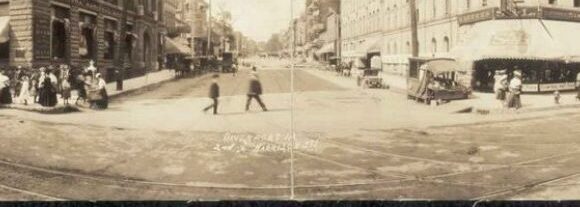
In the mid-to-late 1800s millions of German citizens left their homeland and settled as immigrants in the United States. The 1900 U.S. Census documented that over half the citizens in Iowa, Nebraska, Wisconsin, Minnesota, North Dakota and South Dakota were German immigrants or their descendants. Scott County, where the first passenger railroad crossed the Mississippi River, was the entry point for many immigrants to the upper Midwest region and points west. In 1900, Joseph Eiboeck, a veteran German newspaperman, described Davenport as, “the most German city, not only in the State, but in all the Middle West, the center of all German activities in the State.”

Founded on August 1, 1994 as a private, not-for-profit organization, the German American Heritage Center (GAHC) seeks to preserve the heritage of our German speaking ancestors for present and future generations and to enrich our knowledge of the German immigrant experience.

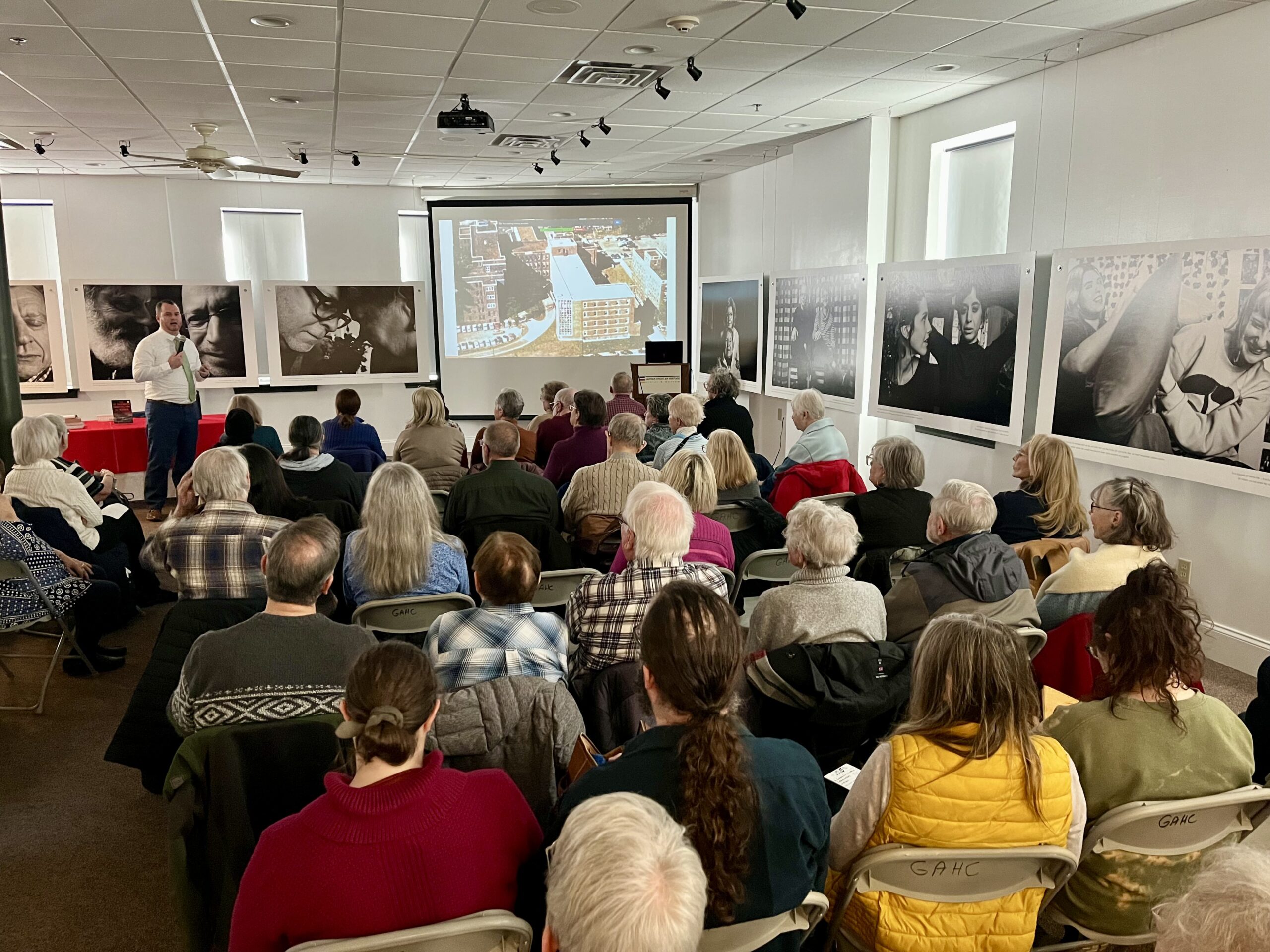
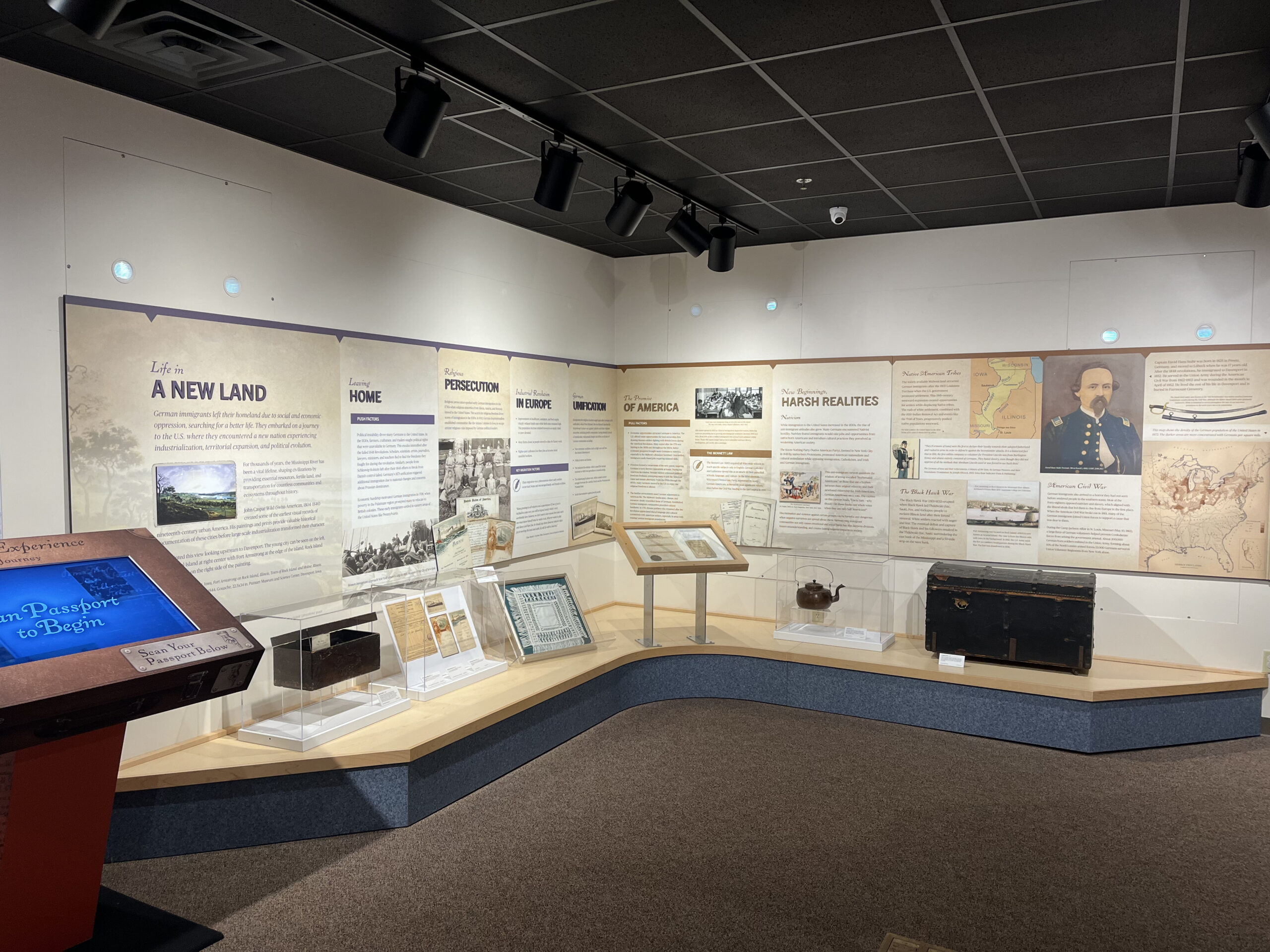
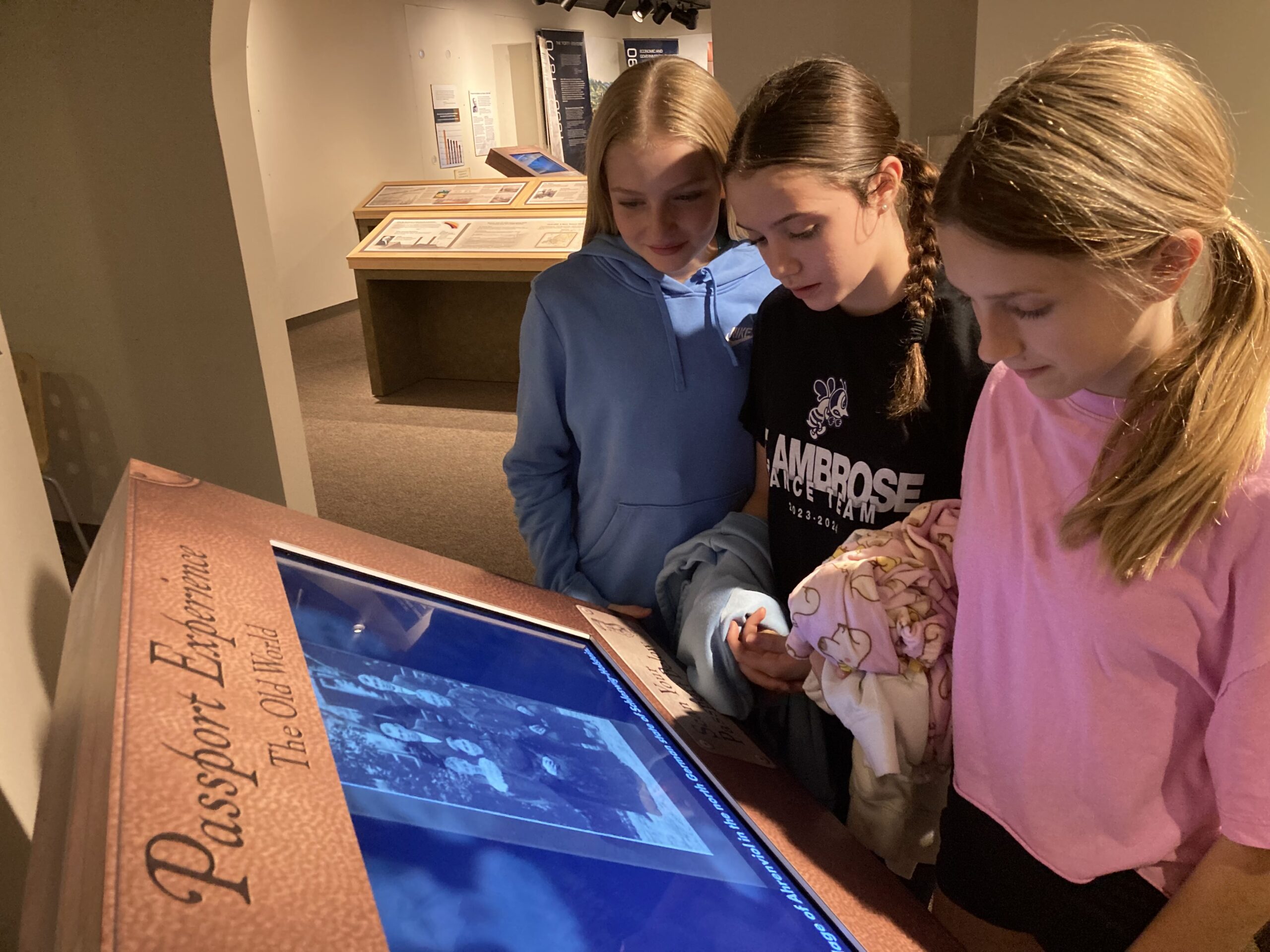
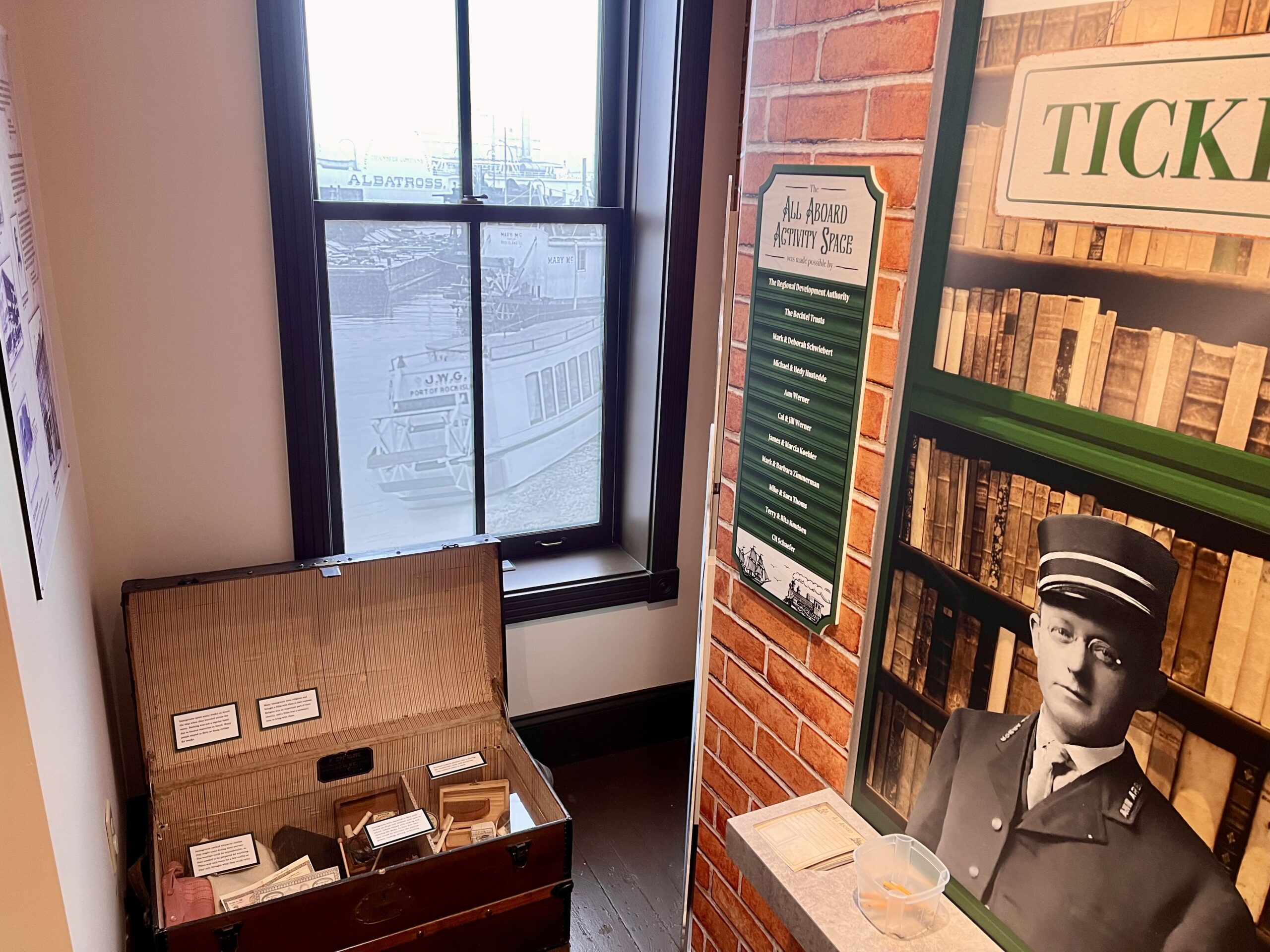
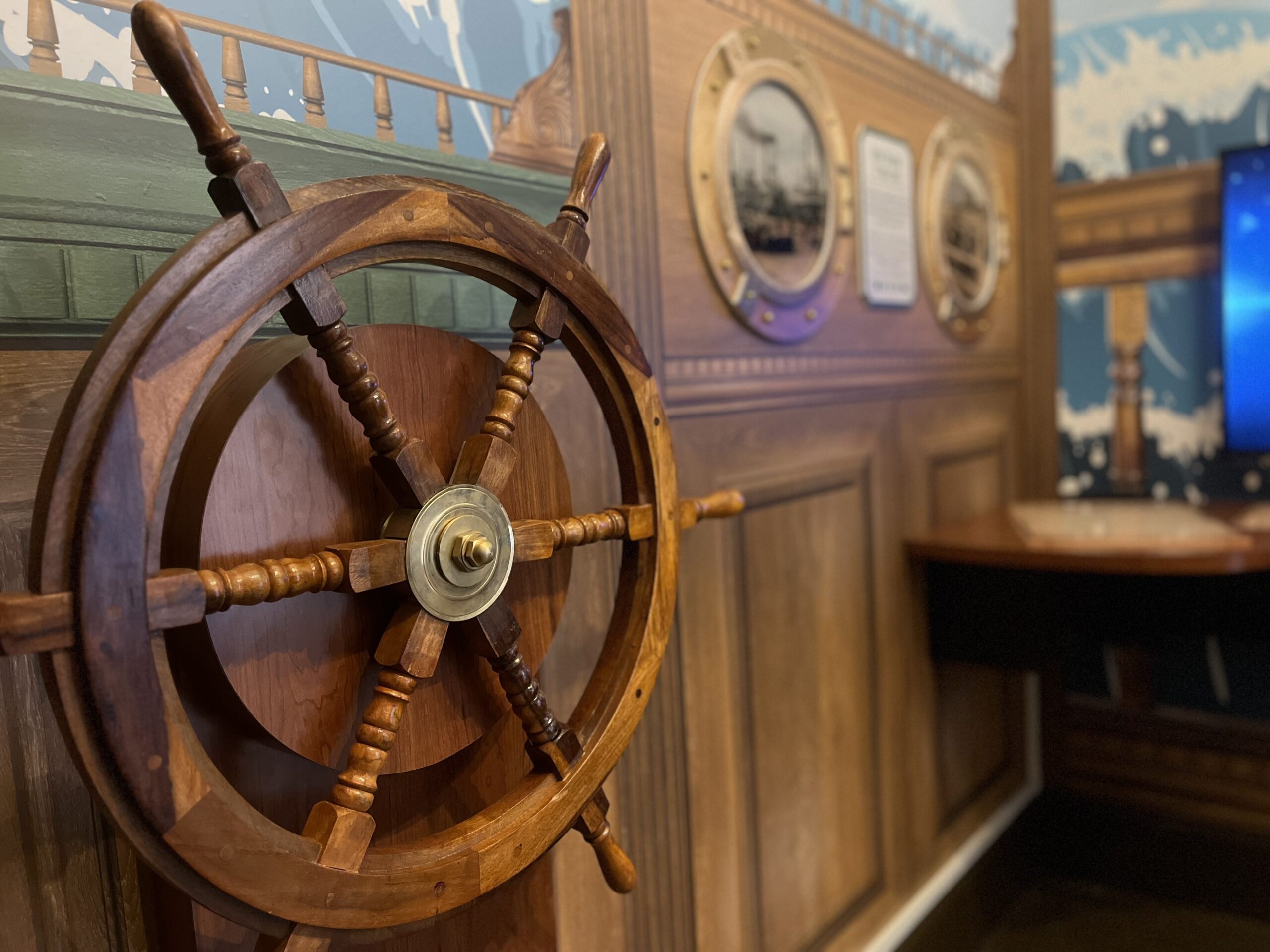
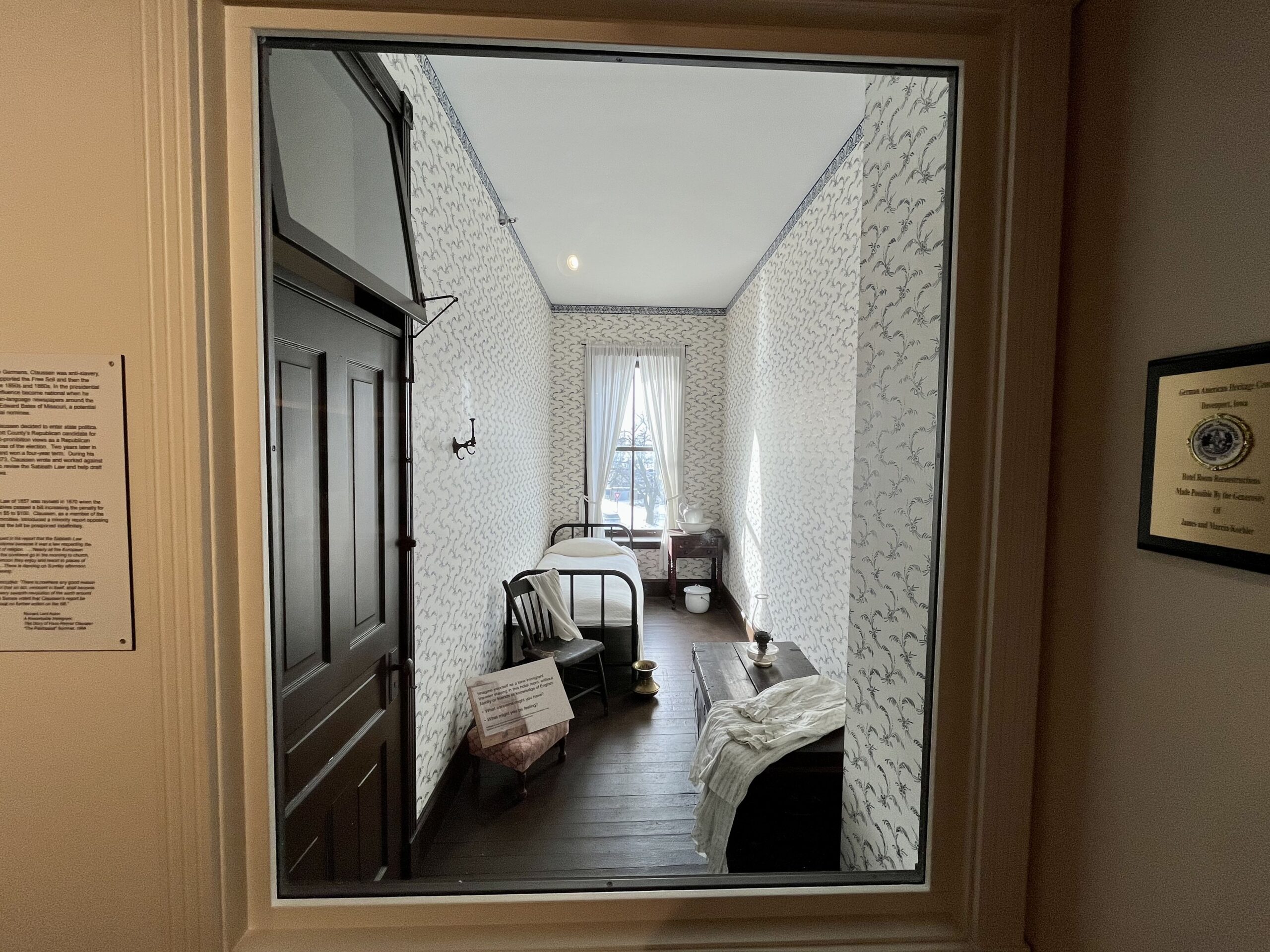
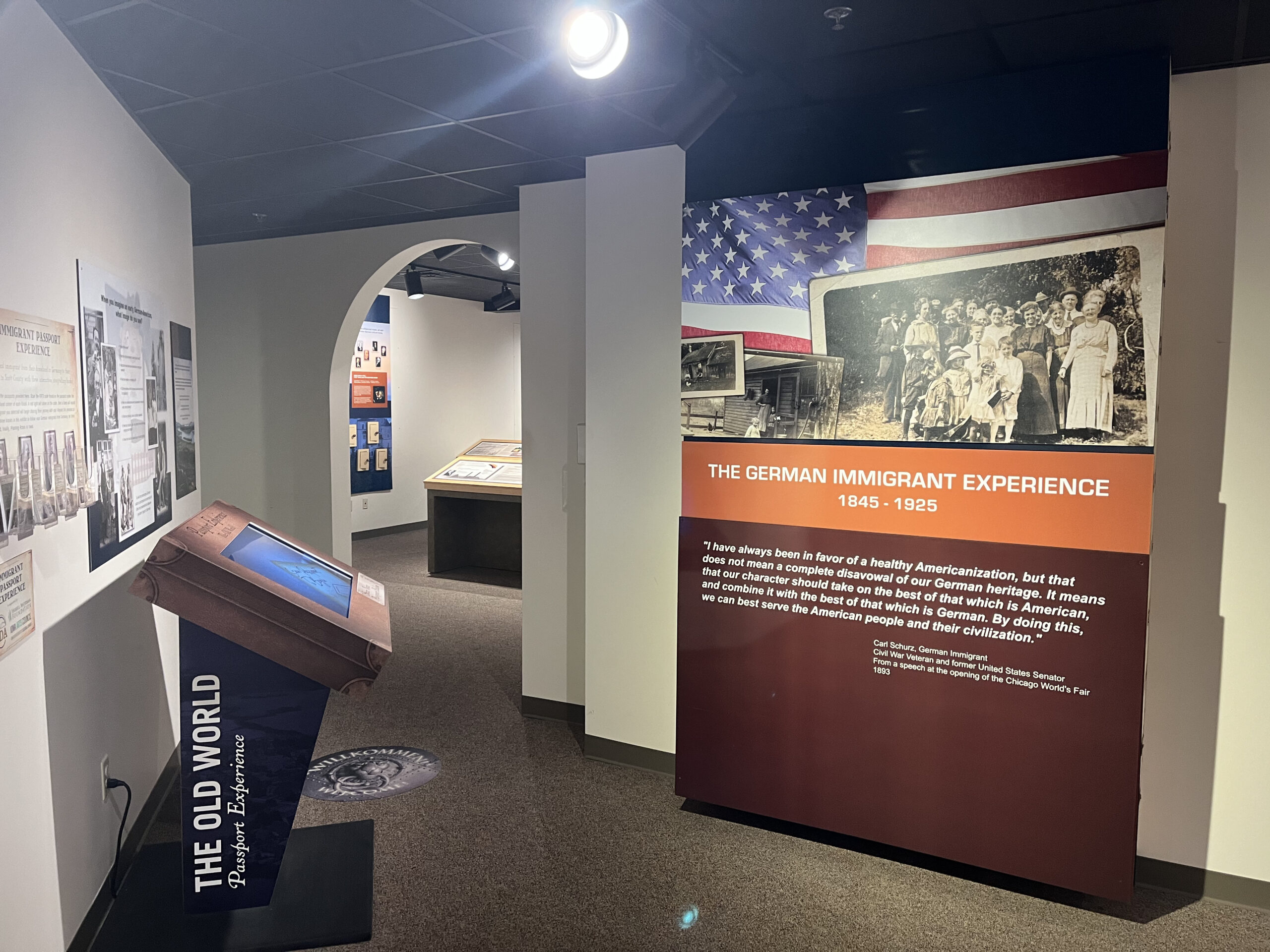
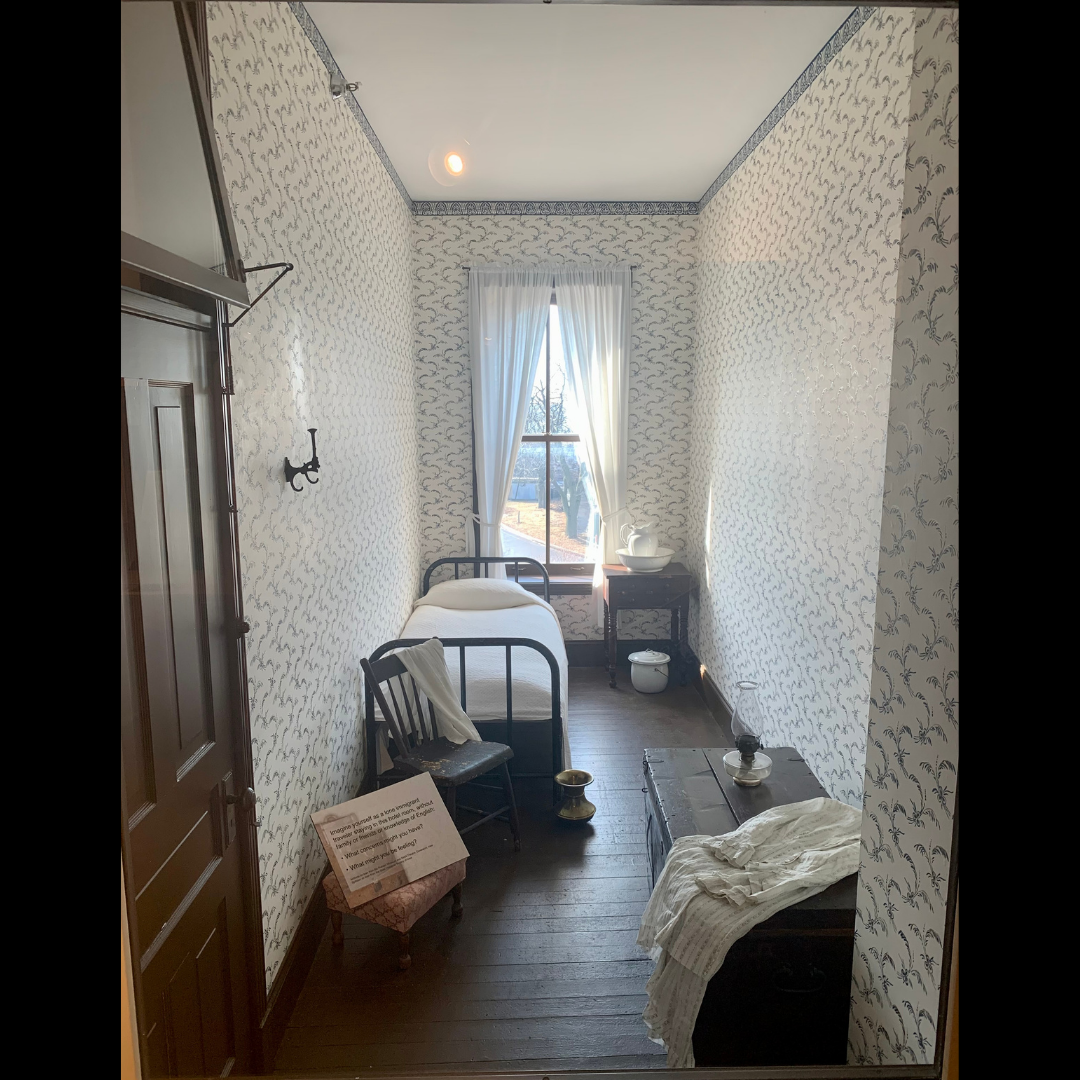
Today GAHC, a National Historic Site, has evolved a museum that includes a large permanent exhibit and two rotating special exhibits. Within the permanent exhibit, visitors enjoy an orientation theater, six education stations, and two restored hotel rooms. Visitors enjoy an interactive experience as you learn about immigrants’ journey by sea, train and foot, to their final destination at the German American Heritage Center building, which was originally a very busy hotel for thousands of immigrants in the 1860s. One of the highlights in the exhibit is called “Step into my Shoes.” Visitors will find footprints of a child, woman, and man at this section. They can step on any set of the footprints, which then triggers the corresponding character to appear before them on a screen and talk about their personal experience as an immigrant. Throughout this exhibition and the two rotating temporary exhibitions, visitors enjoy exploring many artifacts on display. The museum also provides educational programs, workshops, and classes relating to the German American experience and culture; assists in the coordination of festivals to foster an understanding of German American heritage; provides for cultural exchange through genealogy workshops and production of cultural presentations to the public; and partners with other heritage groups on programs, exhibits, and events.

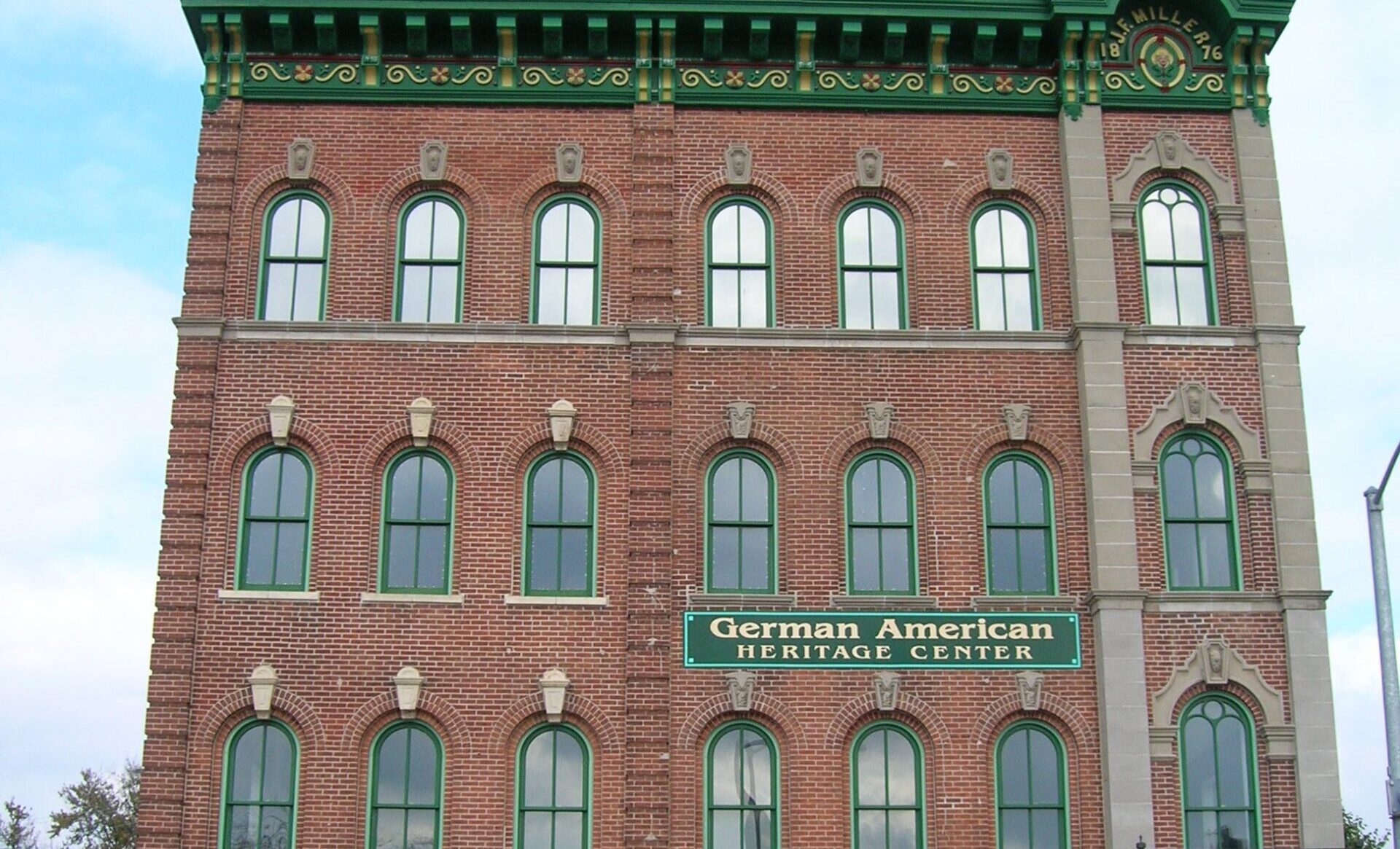
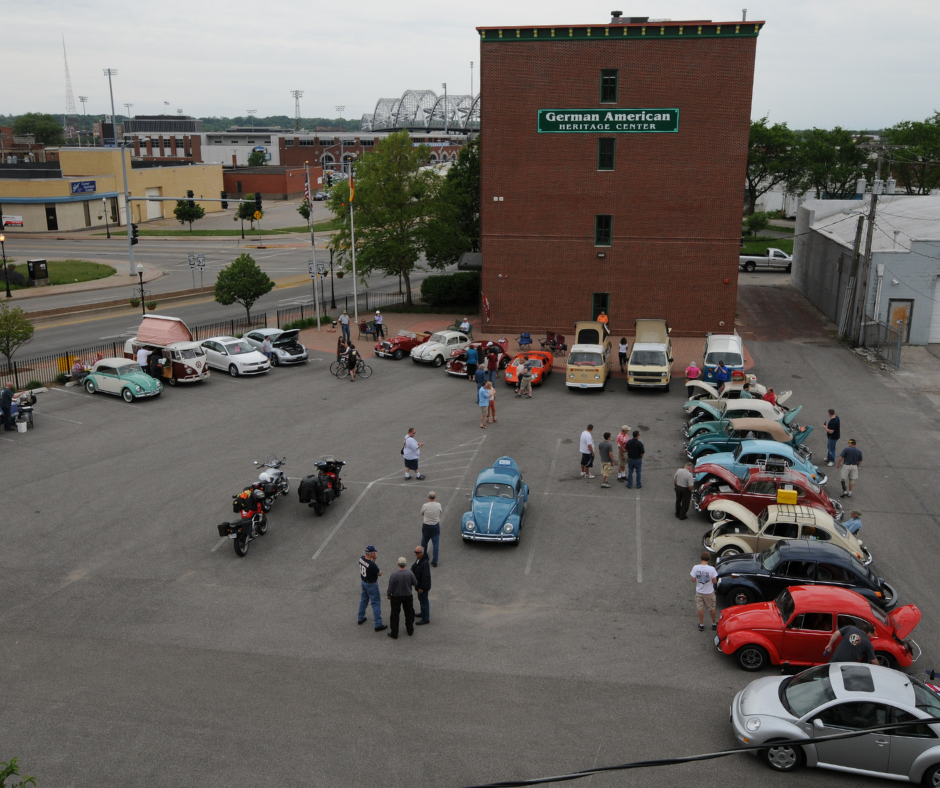
The GAHC building was built in the 1860s, and was originally the Standard Hotel where thousands of German immigrants stayed in the 1800s when they arrived in the area. The building was purchased in 1995, partially restored in 1999, and reopened to the public in May, 2000. In October 2009, GAHC debuted a newly expanded space including a new large interactive permanent exhibit called the “German Immigrant Experience,” two traveling exhibit spaces, and large program facilities. GAHC offers several new programs based on the new permanent exhibit and two new temporary exhibit spaces.

The German immigrant experience is an integral part of the history and fabric of life in Iowa, in the region and in the nation. The German American Heritage Center (GAHC) was formed in 1994 to document and celebrate this heritage.

The Germania House was among the earliest of many “Gast Haus” buildings in the area. This structure is the last remaining immigrant hotel of that period in the region and is on the National Register of Historic Places. The GAHC saved the building from deterioration and potential demolition by raising $1.3 million to restore the exterior of the building and to restore the first and second floors of the four story building for use as a historical center. That work to save this historic treasure and to utilize it as the German American Heritage Center was completed in 2004.

For its collection, the German American Heritage Center and Museum considers gifts of objects and archives materials related to German and German-American culture or history, including:

  • Objects brought by German immigrants, preferably before 1920.
  • Objects made or used by German immigrants in the United States.
  • Other objects made or used in the United States which represent the German-American experience.
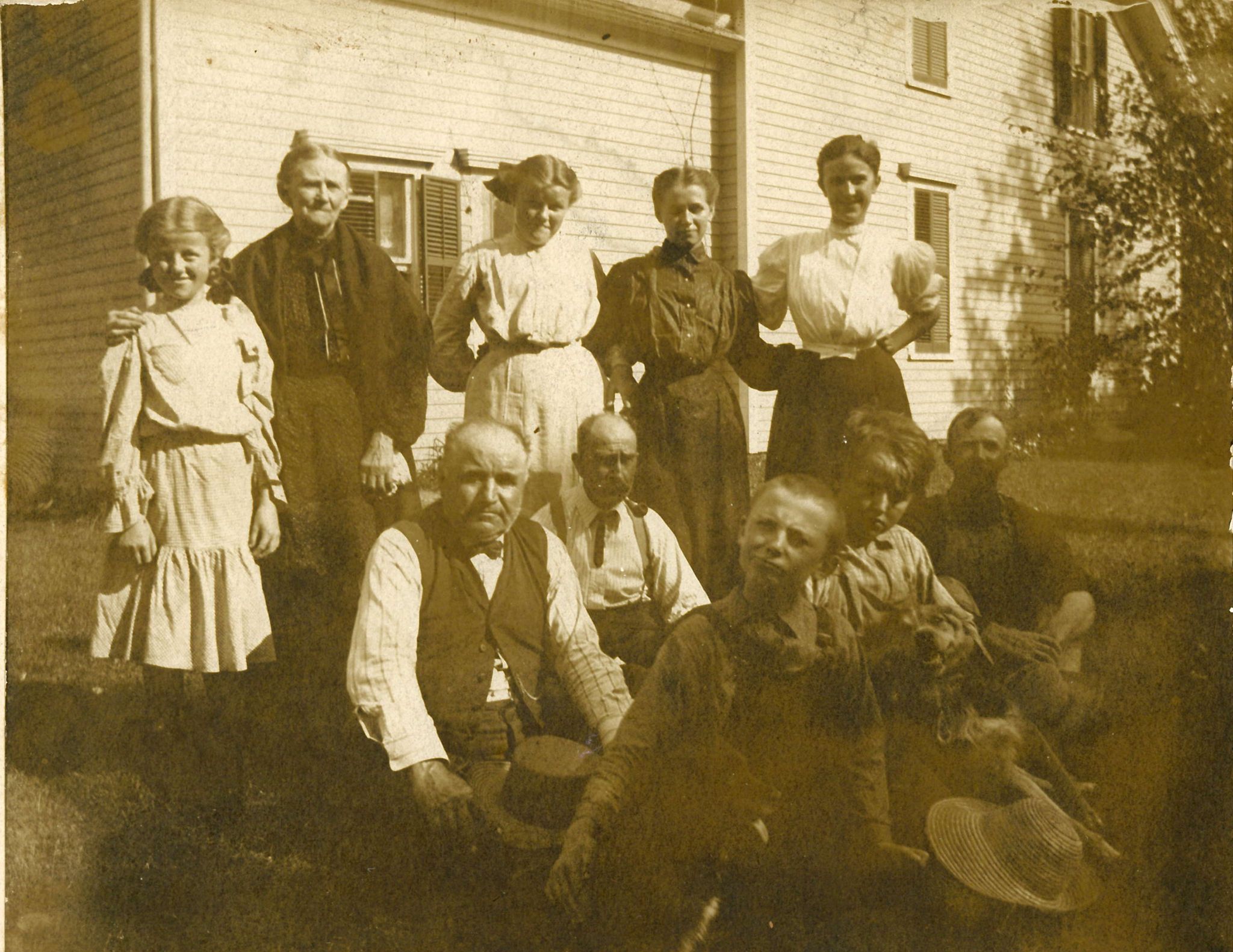
  • Photographs related to German-American history and experience.
  • Archival material related directly to the history and operation of German American Heritage Center and Museum.


Unfortunately due to limited space capacity we are very selective when accepting donations. We are unable to accept any books or bibles at this time.
ON INSTAGRAM
  • Follow Us!

German American Heritage Center and Museum

germanamericanheritagecenter

1,320 1,624

Museum exploring the German immigrant experience and history of Davenport and Iowa!

Open
Artists tend to draw inspiration from things around them and use those themes in their artwork. During her life, Lea Grundig was inspired by emotional hardships and misery of the working class in Germany in the 20th Century. Lea devoted her life to art, focusing on the struggles of the working class and resisting the Nazi regime. 

She was shaped by her strict Orthodox Jewish upbringing and as she grew older, she resisted the traditional religious beliefs of her family. She wanted to study art, and attended the Decorative Arts and Crafts Academy in Dresden and went on to the prestigious Saxon Art Academy. 

Lea was devoted to pacifism and the anti-fascist resistance in Europe in the 1920s and for the rest of her life. Lea was also a member of ASSO (Assoziation revolutionärer bildender Künstler Deutschlands or Association of Revolutionary Visual Artists of Germany), an artist group from 1928 Germany tied to the Communist Party. They made bold posters and graphics to spread their message.

Through her activities, she met Hans Grundig, fellow artist and active member of the Communist Party in Germany. Their similar interests and partnership developed into a powerful relationship that withstood hardship, separation, and risks to their careers. The couple was separated by separate internments in prison camps, punished for their Jewish heritage and opposing the Nazi regime. After being released, Lea and Hans reunited in Dresden, after being separated for years. 

Learn more about Lea Grundig and her work in our exhibition, German Expressionist Prints from the Johnson Collection through December 14th. 

Pictured: Die Hexe (The Witch) 1935, etching
Through her artwork, Lea encourages viewers to think about how their beliefs impact children, urging them to consider the social environment around them. This print, “The Witch,” shows a group of children taunting an old woman as they follow her on a long path set against a dystopian landscape. This dark “fairytale” serves to illustrate the juxtaposition of childhood innocence with the darker undertones of societal issues.

Artists tend to draw inspiration from things around them and use those themes in their artwork. During her life, Lea Grundig was inspired by emotional hardships and misery of the working class in Germany in the 20th Century. Lea devoted her life to art, focusing on the struggles of the working class and resisting the Nazi regime.

She was shaped by her strict Orthodox Jewish upbringing and as she grew older, she resisted the traditional religious beliefs of her family. She wanted to study art, and attended the Decorative Arts and Crafts Academy in Dresden and went on to the prestigious Saxon Art Academy.

Lea was devoted to pacifism and the anti-fascist resistance in Europe in the 1920s and for the rest of her life. Lea was also a member of ASSO (Assoziation revolutionärer bildender Künstler Deutschlands or Association of Revolutionary Visual Artists of Germany), an artist group from 1928 Germany tied to the Communist Party. They made bold posters and graphics to spread their message.

Through her activities, she met Hans Grundig, fellow artist and active member of the Communist Party in Germany. Their similar interests and partnership developed into a powerful relationship that withstood hardship, separation, and risks to their careers. The couple was separated by separate internments in prison camps, punished for their Jewish heritage and opposing the Nazi regime. After being released, Lea and Hans reunited in Dresden, after being separated for years.

Learn more about Lea Grundig and her work in our exhibition, German Expressionist Prints from the Johnson Collection through December 14th.

Pictured: Die Hexe (The Witch) 1935, etching
Through her artwork, Lea encourages viewers to think about how their beliefs impact children, urging them to consider the social environment around them. This print, “The Witch,” shows a group of children taunting an old woman as they follow her on a long path set against a dystopian landscape. This dark “fairytale” serves to illustrate the juxtaposition of childhood innocence with the darker undertones of societal issues.
…

Open
👻 🎃 Happy Halloween! Today we want to share some interesting items from our collection...
For those with morbid curiosities or and interest in the macabre, these are some of the more eerie items we have in our collection:

1. This is a memorial hair weaving from the Victorian period. Memorial hair art was a trend in the 19th century to memorialize and have a keepsake from loved ones. This one was made in 1868 in Germany and belonged to the Kindig family who immigrated to Iowa from Germany in the 1880s.

2 & 3. This small hair curl was made from Marie Lueschen's hair. The following image is a photo of "Grandma Lueschen."

4. This necklace chain was made from human hair and includes a photo pendant. This belonged to the Becker family who lived in Scott County.

5 & 6. This news clipping refers to Henry Koltzau, a resident of Davenport who built his own casket. Henry was born in Germany in 1859 and immigrated to Iowa and worked as a cabinet maker and woodworker. He died in Davenport in 1936. The next photo is an image of his casket.

Do you have any morbid family heirlooms? 🎃🐦‍⬛👹🦇🕸️

As a museum and collection institution, we collect items related to German immigrants' lives in Scott County. If you have any family items or special history about your ancestors, inquire with the museum if you have a possible donation. Most of our collection is built on donations from local families, which helps preserve the early history of Davenport and Scott County. 🏛️

👻 🎃 Happy Halloween! Today we want to share some interesting items from our collection…
For those with morbid curiosities or and interest in the macabre, these are some of the more eerie items we have in our collection:

1. This is a memorial hair weaving from the Victorian period. Memorial hair art was a trend in the 19th century to memorialize and have a keepsake from loved ones. This one was made in 1868 in Germany and belonged to the Kindig family who immigrated to Iowa from Germany in the 1880s.

2 & 3. This small hair curl was made from Marie Lueschen`s hair. The following image is a photo of "Grandma Lueschen."

4. This necklace chain was made from human hair and includes a photo pendant. This belonged to the Becker family who lived in Scott County.

5 & 6. This news clipping refers to Henry Koltzau, a resident of Davenport who built his own casket. Henry was born in Germany in 1859 and immigrated to Iowa and worked as a cabinet maker and woodworker. He died in Davenport in 1936. The next photo is an image of his casket.

Do you have any morbid family heirlooms? 🎃🐦‍⬛👹🦇🕸️

As a museum and collection institution, we collect items related to German immigrants` lives in Scott County. If you have any family items or special history about your ancestors, inquire with the museum if you have a possible donation. Most of our collection is built on donations from local families, which helps preserve the early history of Davenport and Scott County. 🏛️
…

Open
🗝️ New Tour Added!

We've added an additional Darker Side of Davenport Walking Tour, this Saturday November 1st at 6:30 pm. Due to high demand, there are more spots available to attend our walking tours this Fall. 

📕 Join us as we uncover the story of what is now the German American Heritage Center and Museum, then embark on a guided walk through downtown to explore the eerie and captivating legends that haunt the surrounding neighborhood.

👻 This tour will not only give you goosebumps—it will also reveal the mysterious stories that helped shape the city’s rich and shadowy past.

$20 per person, register online or call 563-322-8844. 
https://events.humanitix.com/darker-side-of-davenport-walking-tours-6386427j/tickets

🗝️ New Tour Added!

We`ve added an additional Darker Side of Davenport Walking Tour, this Saturday November 1st at 6:30 pm. Due to high demand, there are more spots available to attend our walking tours this Fall.

📕 Join us as we uncover the story of what is now the German American Heritage Center and Museum, then embark on a guided walk through downtown to explore the eerie and captivating legends that haunt the surrounding neighborhood.

👻 This tour will not only give you goosebumps—it will also reveal the mysterious stories that helped shape the city’s rich and shadowy past.

$20 per person, register online or call 563-322-8844.
https://events.humanitix.com/darker-side-of-davenport-walking-tours-6386427j/tickets
…

Open
Visit the German American Heritage Center and Museum on Saturday for free admission and special deals:
🎃  Downtown Davenport's Spooky Spectacular Candy Crawl!
🎟️ FREE admission to the museum
🛍️ 10% off all gift shop purchases
👻 and a special presentation-style version of our Darker Side of Davenport Tour at 10:30!

Learn about local history, attend one of our programs, see our exhibitions and learn about immigrants to the Quad Cities, See German Expressionist Prints, and more artwork from David and Sarojini Johnson. 

🔑 Get a free print from local artist Joseph Lappie when you mention it at the front desk!

Visit the German American Heritage Center and Museum on Saturday for free admission and special deals:
🎃 Downtown Davenport`s Spooky Spectacular Candy Crawl!
🎟️ FREE admission to the museum
🛍️ 10% off all gift shop purchases
👻 and a special presentation-style version of our Darker Side of Davenport Tour at 10:30!

Learn about local history, attend one of our programs, see our exhibitions and learn about immigrants to the Quad Cities, See German Expressionist Prints, and more artwork from David and Sarojini Johnson.

🔑 Get a free print from local artist Joseph Lappie when you mention it at the front desk!
…

Open
Sunday October 26th is our next Kaffee und Kuchen: The Wicked and the Weird with John Brassard Jr.  This program is free for members or included with general admission. RSVP online or get tickets at the door. Learn about some wicked and weird true crime stories from one of our favorite local authors! 

Also, check out John's books in our gift shop, 10% off for #QCMuseumMonth!
Quad Cities Strange and Dreadful Things

Sunday October 26th is our next Kaffee und Kuchen: The Wicked and the Weird with John Brassard Jr. This program is free for members or included with general admission. RSVP online or get tickets at the door. Learn about some wicked and weird true crime stories from one of our favorite local authors!

Also, check out John`s books in our gift shop, 10% off for #QCMuseumMonth!
Quad Cities Strange and Dreadful Things
…

Open
Join us for a spine‑tingling stroll through Downtown Davenport on Saturday, October 25 from 12-3 p.m.

Get ready for a frightfully fun afternoon in Downtown Davenport! The Spooky Spectacular & Candy Crawl is a family-friendly Halloween event filled with treats, photo ops and festive surprises around every corner.

Local businesses will be handing out candy, offering fall-inspired specials, hosting spooky sales and creating unique Halloween experiences throughout downtown.

Visit the German American Heritage Center and Museum on Saturday for special deals:
🎟️ FREE admission
🛍️ 10% off all gift shop purchases
👻 and a special presentation-style version of our Darker Side of Davenport Tour at 10:30!

HOW IT WORKS:
Dress in your best Halloween costume
Pick up an event map at any participating business
Stroll through downtown, collect treats and enjoy all the spooky fun our local businesses have in store!

Join us for a spine‑tingling stroll through Downtown Davenport on Saturday, October 25 from 12-3 p.m.

Get ready for a frightfully fun afternoon in Downtown Davenport! The Spooky Spectacular & Candy Crawl is a family-friendly Halloween event filled with treats, photo ops and festive surprises around every corner.

Local businesses will be handing out candy, offering fall-inspired specials, hosting spooky sales and creating unique Halloween experiences throughout downtown.

Visit the German American Heritage Center and Museum on Saturday for special deals:
🎟️ FREE admission
🛍️ 10% off all gift shop purchases
👻 and a special presentation-style version of our Darker Side of Davenport Tour at 10:30!

HOW IT WORKS:
Dress in your best Halloween costume
Pick up an event map at any participating business
Stroll through downtown, collect treats and enjoy all the spooky fun our local businesses have in store!
…

Open
Back from the collections with this photograph of a man outside of Tony Hertzner's Bar, Davenport, Iowa. 1880-1900's. There is not much on the photo or the business as far as we know, we just think you might enjoy this photograph too!

Stop by this month to learn more about German Immigrants in the Quad Cities. 
We are open Tuesday-Saturday 10 AM - 4 PM
Sunday 12 PM - 4 PM
Closed on Monday

This month we are offering FREE admission on Saturdays during #QCMuseumMonth @visitquadcities

Back from the collections with this photograph of a man outside of Tony Hertzner`s Bar, Davenport, Iowa. 1880-1900`s. There is not much on the photo or the business as far as we know, we just think you might enjoy this photograph too!

Stop by this month to learn more about German Immigrants in the Quad Cities.
We are open Tuesday-Saturday 10 AM – 4 PM
Sunday 12 PM – 4 PM
Closed on Monday

This month we are offering FREE admission on Saturdays during #QCMuseumMonth @visitquadcities
…

Open
🥃Otto Koechert was well known in the Tri-City area. He immigrated from Germany in 1870. It is unclear what Otto did in his free time, he most likely spent time with friends, perhaps spending Sunday afternoons at Schuetzen Park. As time went on, he frequented the saloons more often, and enjoyed alcoholic beverages, often overindulging. According to newspapers, he was "working as a clerk during the first few years of his residence, but showing no ambition and gradually drifting from bad to worse...One who knew him says that he would remain intoxicated for days at a time, until he apparently tired of that condition and would have a sober spell for a few days."

Otto died on March 10th, 1891, in the Germania House, his place of residence. His body found by the proprietress, who noted that he didn't even take off his shoes before falling into bed.  His death was likely result from a stroke induced by overindulgence of alcohol.

712 W. 2nd Street — a historic address that has stood witness to the dramatic and sometimes chilling evolution of Downtown Davenport since the Germania House was first built on this site in 1862. From a string of barbershop murders and a fire at a mental hospital to ghostly sightings at City Hall and séances on a college campus, this former hotel has seen it all. And it has its own dark and fascinating tales to share.

👻According to staff, Otto is our resident ghost. You can share your respects to him on our Darker Side of Davenport Walking Tours this month. The walking tours continue tomorrow at 6pm. 

🎟️Reserve your tickets here: https://events.humanitix.com/darker-side-of-davenport-walking-tours-6386427j

🥃Otto Koechert was well known in the Tri-City area. He immigrated from Germany in 1870. It is unclear what Otto did in his free time, he most likely spent time with friends, perhaps spending Sunday afternoons at Schuetzen Park. As time went on, he frequented the saloons more often, and enjoyed alcoholic beverages, often overindulging. According to newspapers, he was "working as a clerk during the first few years of his residence, but showing no ambition and gradually drifting from bad to worse…One who knew him says that he would remain intoxicated for days at a time, until he apparently tired of that condition and would have a sober spell for a few days."

Otto died on March 10th, 1891, in the Germania House, his place of residence. His body found by the proprietress, who noted that he didn`t even take off his shoes before falling into bed. His death was likely result from a stroke induced by overindulgence of alcohol.

712 W. 2nd Street — a historic address that has stood witness to the dramatic and sometimes chilling evolution of Downtown Davenport since the Germania House was first built on this site in 1862. From a string of barbershop murders and a fire at a mental hospital to ghostly sightings at City Hall and séances on a college campus, this former hotel has seen it all. And it has its own dark and fascinating tales to share.

👻According to staff, Otto is our resident ghost. You can share your respects to him on our Darker Side of Davenport Walking Tours this month. The walking tours continue tomorrow at 6pm.

🎟️Reserve your tickets here: https://events.humanitix.com/darker-side-of-davenport-walking-tours-6386427j
…

VISIT US

German American Heritage Center & Museum
712 W 2nd St.
Davenport, IA 52802

HOURS

Tuesdays – Saturdays open 10 am – 4 pm
Sundays open 12 – 4 pm
Closed Mondays

NEWSLETTER

This field is for validation purposes and should be left unchanged.

STAY CONNECTED
Instagram Facebook-f Twitter
Sign Up for our Newsletter
German American Heritage Center & Museum
712 W 2nd St.
Davenport, IA 52802
Tuesdays – Saturdays open 10 am – 4 pm
Sundays open 12 – 4 pm
Closed Mondays

Newsletter

Subscribe to get all latest news, updates.

This field is for validation purposes and should be left unchanged.