Skip to content
  • Visit
    • TOURS
    • Accessibility
    • HOURS & LOCATION
    • BECOME A MEMBER
    • ADMISSION
    • GIFT SHOP
  • Exhibits
    • The German Immigrant Experience
    • Play On! German Immigrants and the Quad Cities’ Musical Legacy
    • Violins of Hope Iowa
    • Past Exhibitions
  • Learn
    • GAHC From Home
    • Internships
    • Volunteer
    • Resources
    • Translation Services
    • Book Discussions​
    • Travel
  • Events
  • About
    • About Us
    • Collections
    • DEAI Statement
    • Staff
    • Employment Opportunities
    • Newsletter
    • Contact Us
    • Media Kit
  • Private Events
  • Donate
  • Visit
    • TOURS
    • Accessibility
    • HOURS & LOCATION
    • BECOME A MEMBER
    • ADMISSION
    • GIFT SHOP
  • Exhibits
    • The German Immigrant Experience
    • Play On! German Immigrants and the Quad Cities’ Musical Legacy
    • Violins of Hope Iowa
    • Past Exhibitions
  • Learn
    • GAHC From Home
    • Internships
    • Volunteer
    • Resources
    • Translation Services
    • Book Discussions​
    • Travel
  • Events
  • About
    • About Us
    • Collections
    • DEAI Statement
    • Staff
    • Employment Opportunities
    • Newsletter
    • Contact Us
    • Media Kit
  • Private Events
  • Donate

About Us

About Us

Explore our history from immigrant hotel to modern museum

The mission of the German American Heritage Center is to preserve and enrich for present and future generations knowledge of the German immigrant experience and its impact on American culture.

Our Mission

  • The mission of the German American Heritage Center is to preserve and enrich for present and future generations knowledge of the German immigrant experience and its impact on American culture.

Our Vision

  • Our focus is cultural programs and immigrant contributions. We reach out to other cultural groups and demonstrate the contributions made by immigrants from many countries and from varied backgrounds to the ethnic palette which is the United States.

History

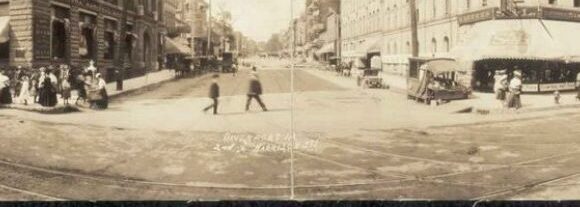
In the mid-to-late 1800s millions of German citizens left their homeland and settled as immigrants in the United States. The 1900 U.S. Census documented that over half the citizens in Iowa, Nebraska, Wisconsin, Minnesota, North Dakota, and South Dakota were German immigrants or their descendants. Scott County, where the first passenger railroad crossed the Mississippi River, was the entry point for many immigrants to the upper Midwest region and points west. In 1900, Joseph Eiboeck, a veteran German newspaperman, described Davenport as, “the most German city, not only in the State, but in all the Middle West, the center of all German activities in the State.”

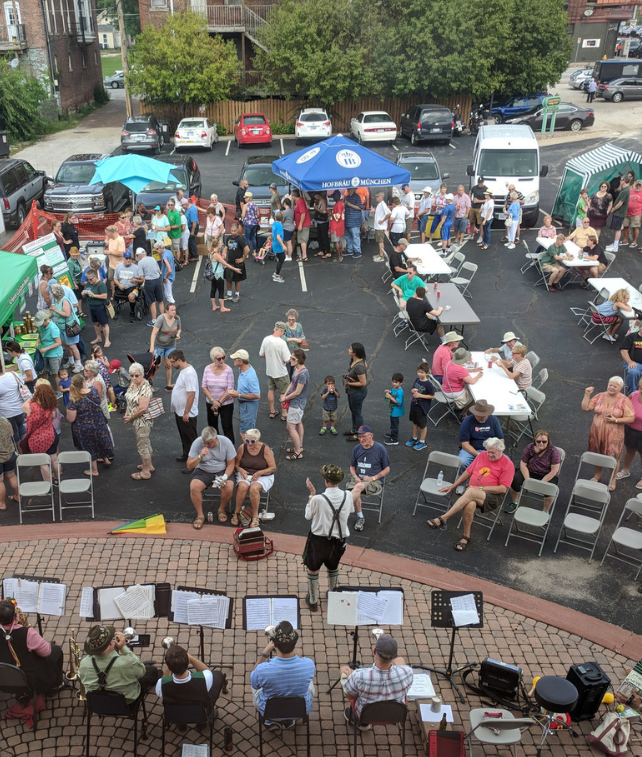
Founded on August 1, 1994 as a private, not-for-profit organization, the German American Heritage Center and Museum (GAHC+M) seeks to preserve the heritage of our German speaking ancestors for present and future generations and to enrich our knowledge of the German immigrant experience.

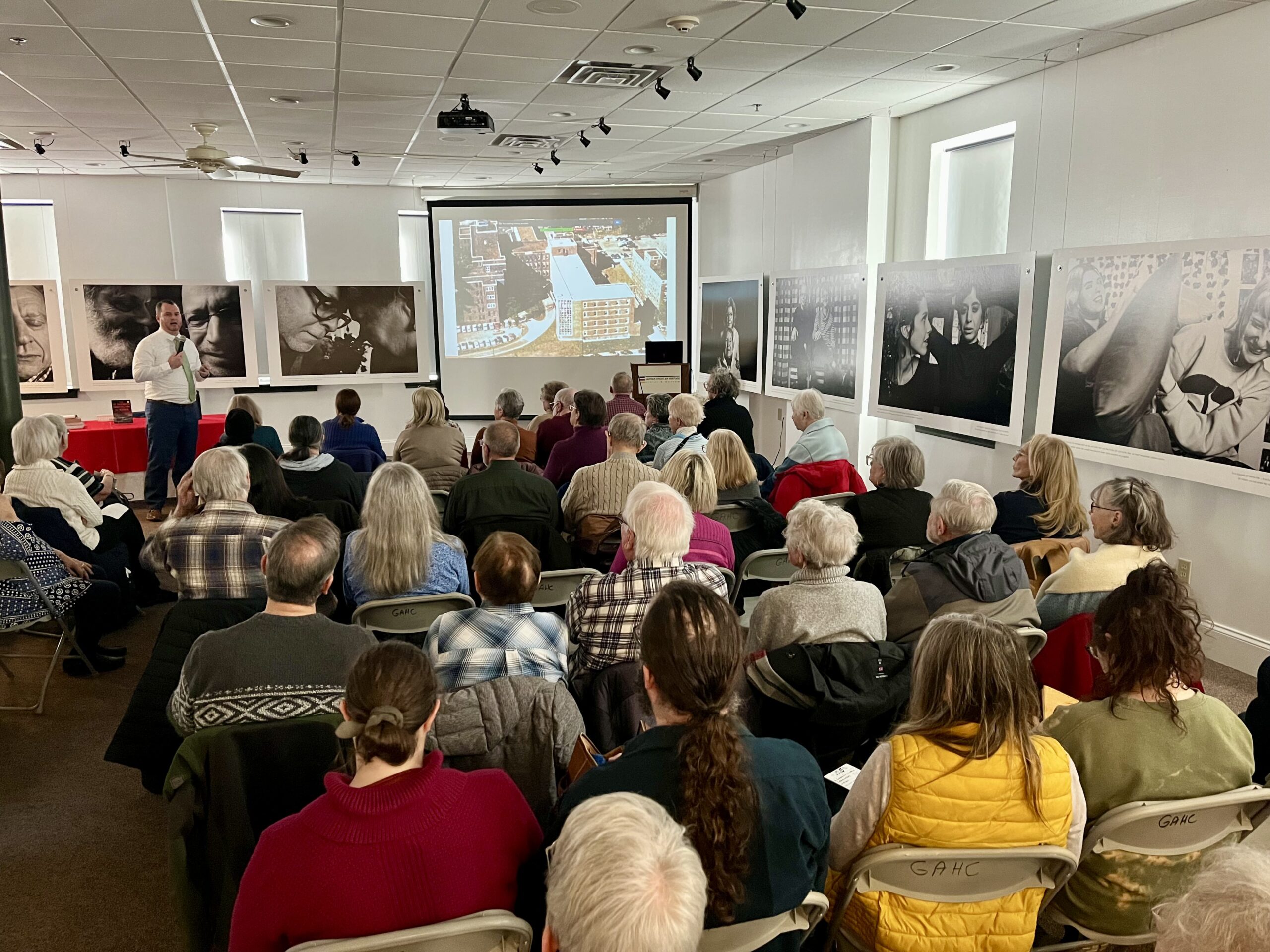
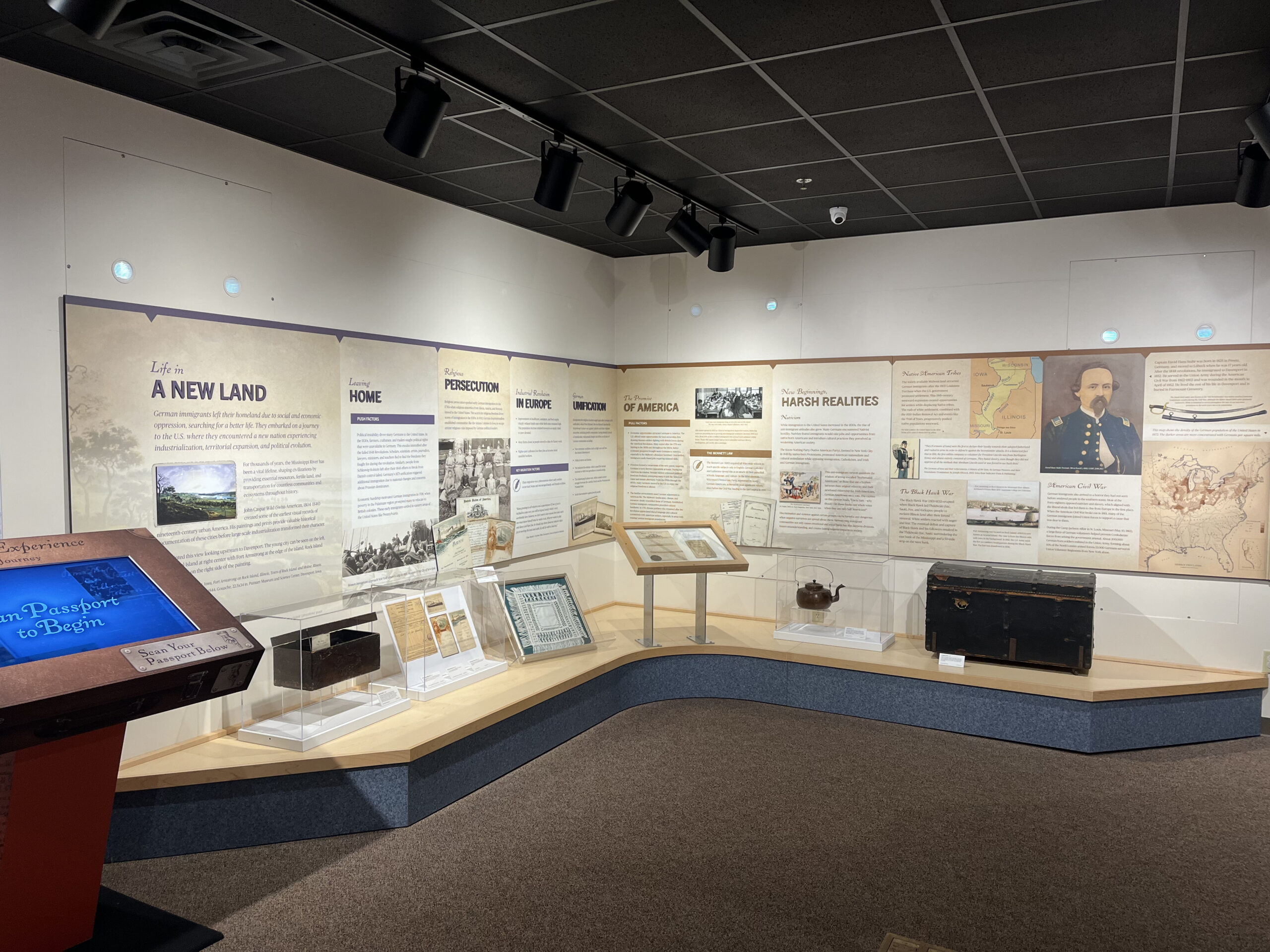
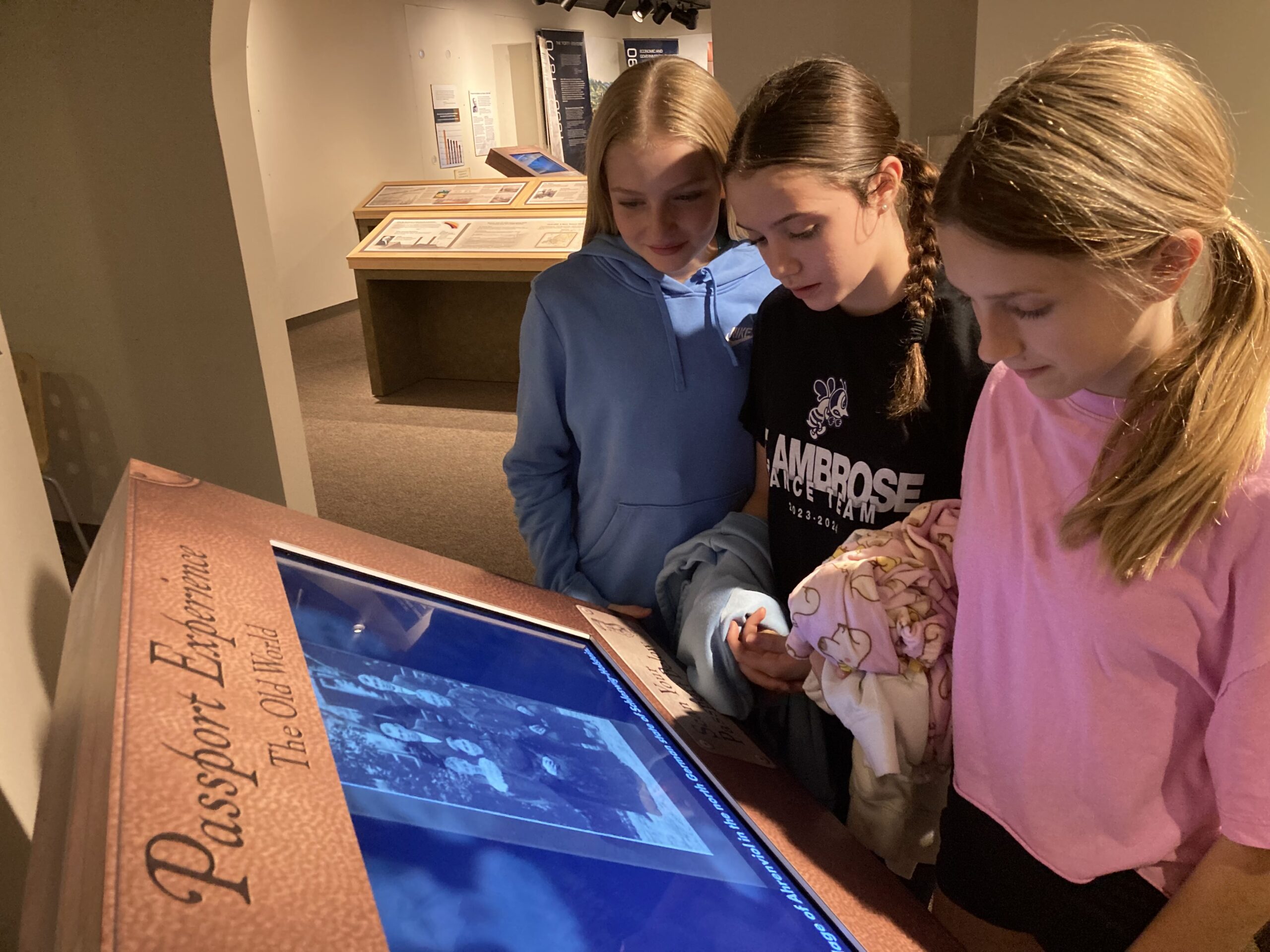
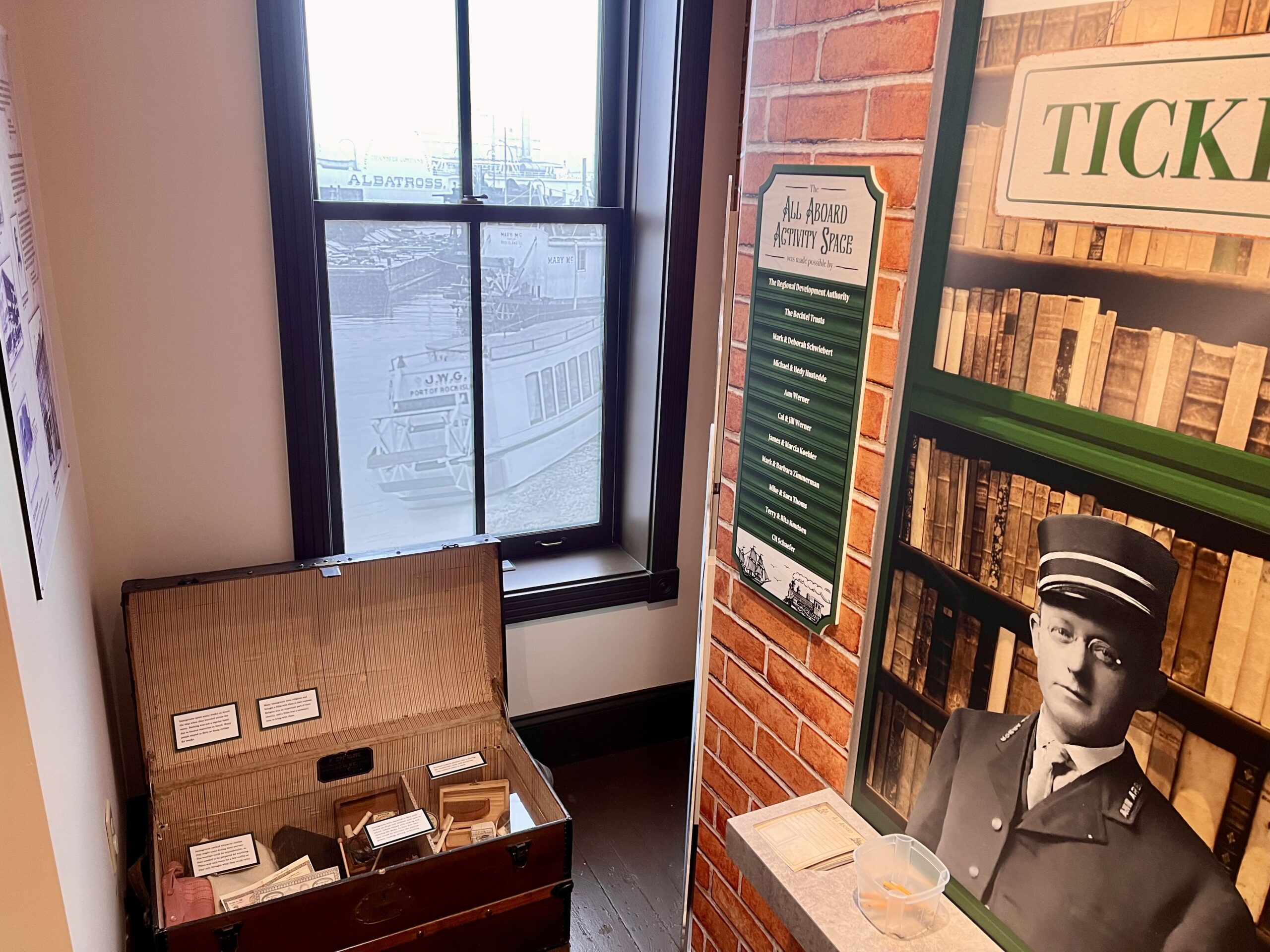
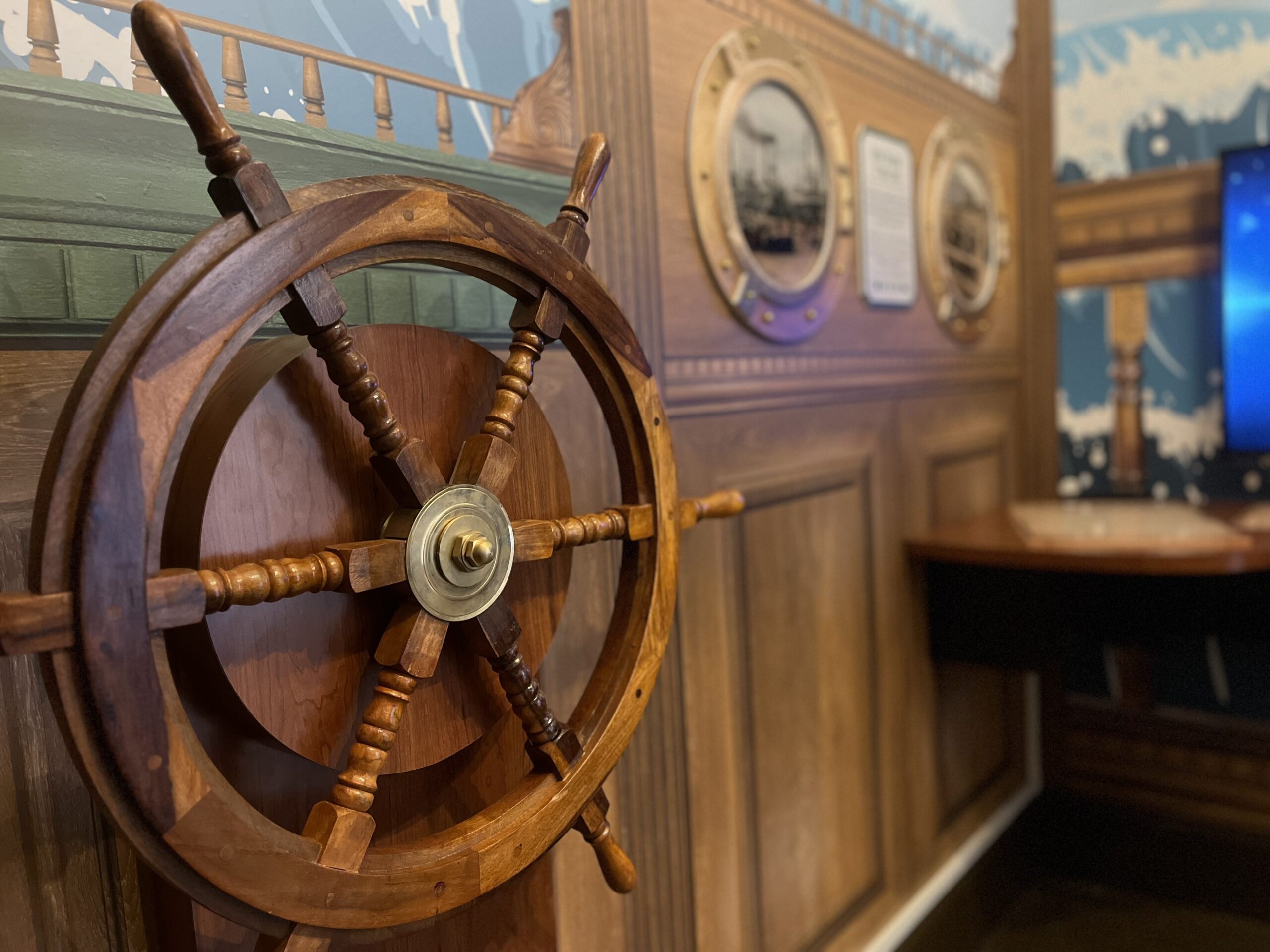
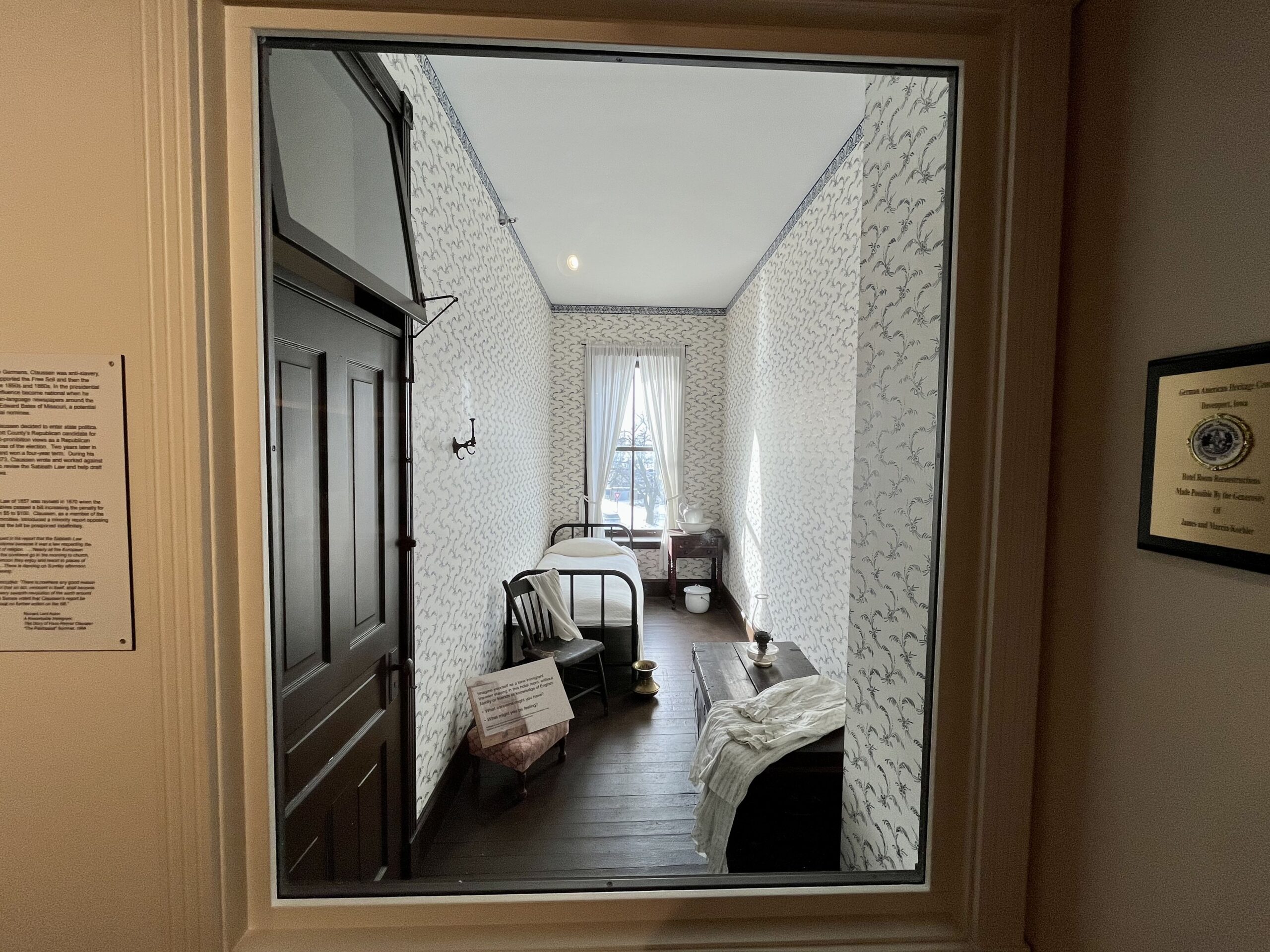
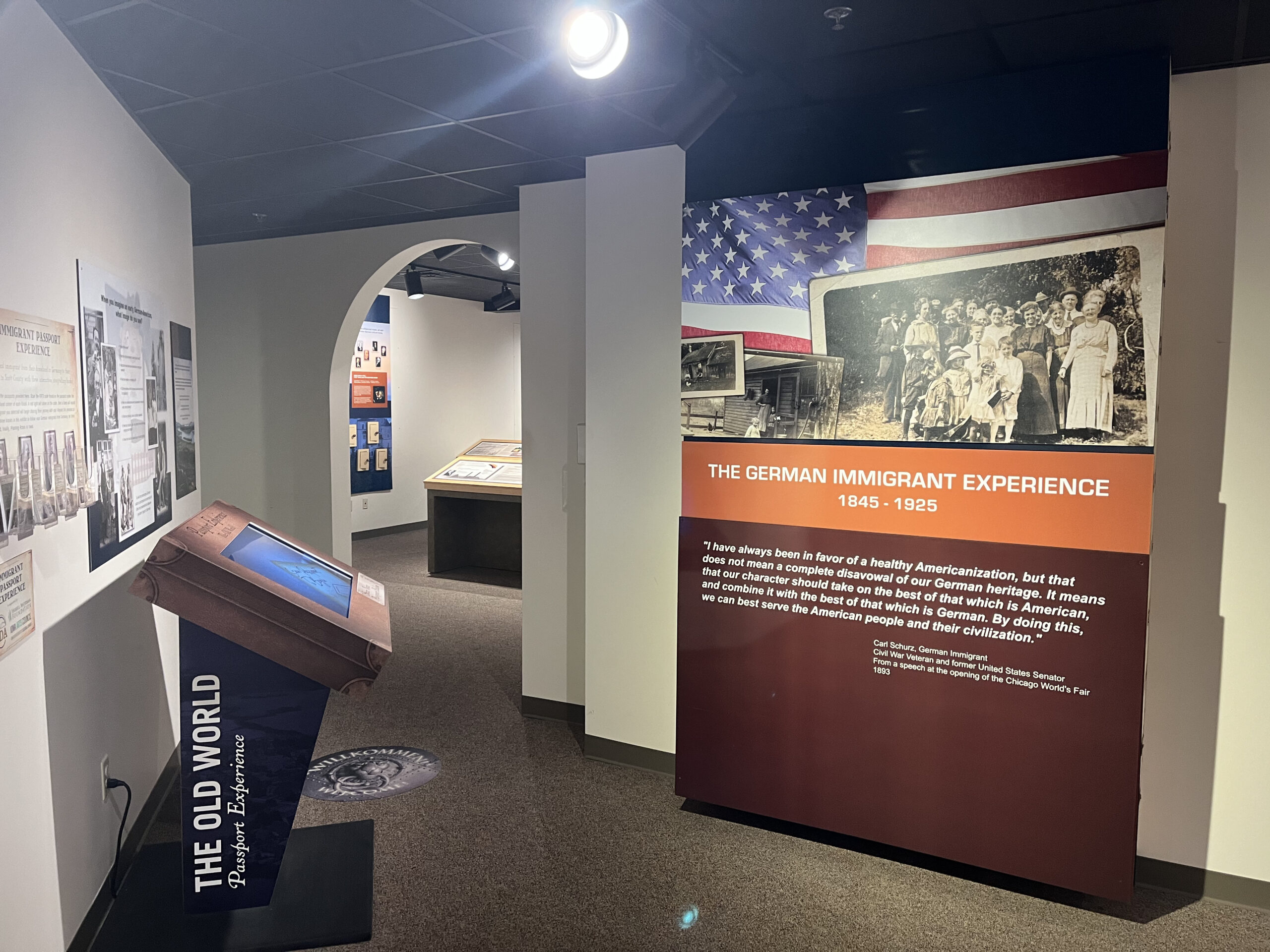
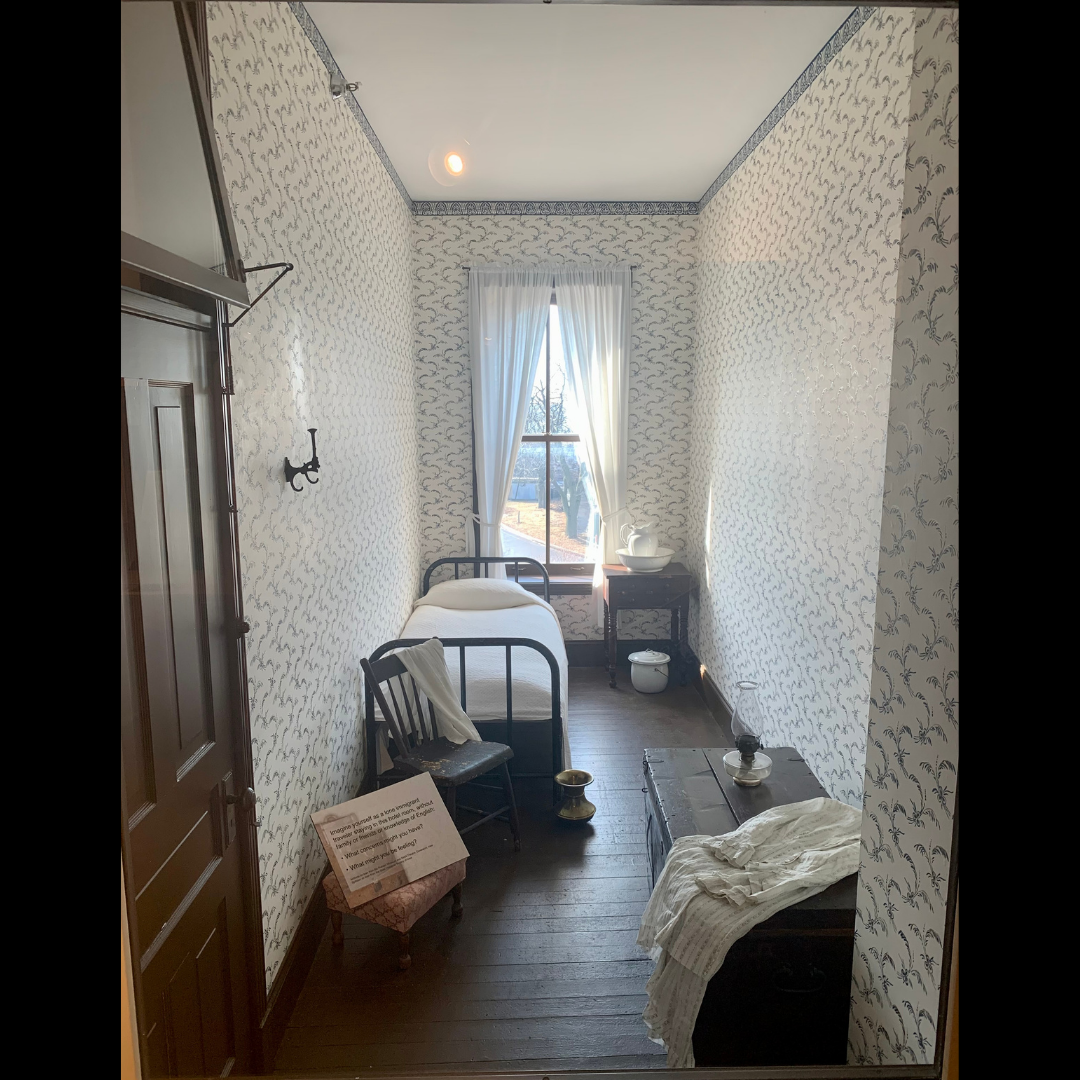
Today GAHC+M, a National Historic Site, has evolved a museum that includes a large permanent exhibition and two rotating special exhibitions. Within the permanent exhibition, visitors enjoy an orientation theater, six education stations, three immigrant passport experiences, a restored hotel room, and All Aboard! children’s activity space. Visitors enjoy an interactive experience as you learn about immigrants’ journey by sea, train, and foot to their final destination at the German American Heritage Center building, which was originally a very busy hotel for thousands of immigrants in the 1860s. One of the highlights in the exhibition is called “Step into my Shoes.” Visitors will find footprints of a child, woman, and man at this section. They can step on any set of the footprints, which then triggers the corresponding character to appear before them on a screen and talk about their personal experience as an immigrant. Throughout this exhibition and the two rotating temporary exhibitions, visitors enjoy exploring many artifacts on display. The museum also provides educational programs, workshops, and classes relating to the German American experience and culture; assists in the coordination of festivals to foster an understanding of German American heritage; provides for cultural exchange through genealogy workshops and production of cultural presentations to the public; and partners with other heritage groups on programs, exhibitions, and events.

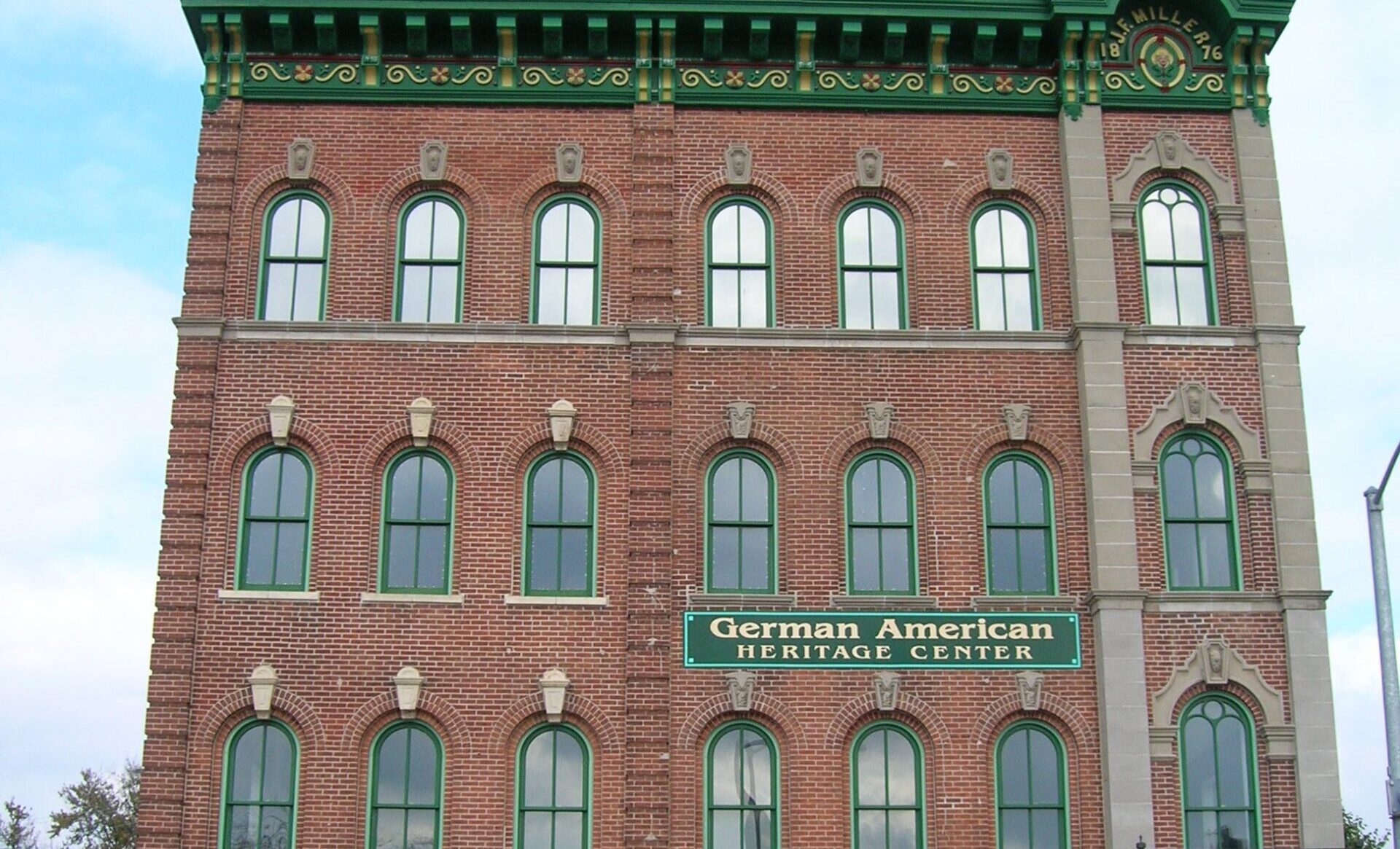
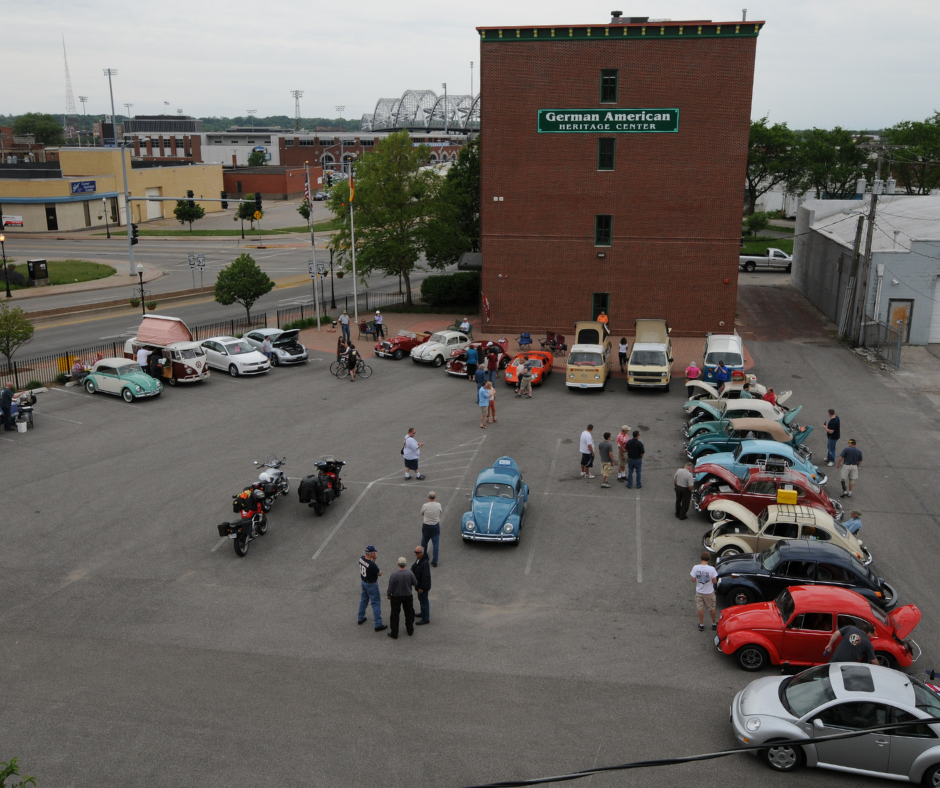
The GAHC+M building was built in the 1860s, and was originally the Standard Hotel where thousands of German immigrants stayed in the 1800s when they arrived in the area. The building was purchased in 1995, partially restored in 1999, and reopened to the public in May, 2000. In October 2009, GAHC+M debuted a newly expanded space including a new large interactive permanent exhibit called the German Immigrant Experience, two traveling exhibition spaces, and large program facilities. GAHC+M offers several new programs based on the new permanent exhibition and two new temporary exhibition spaces.

The German immigrant experience is an integral part of the history and fabric of life in Iowa, in the region and in the nation. The German American Heritage Center and Museum (GAHC+M) was formed in 1994 to document and celebrate this heritage.

The Germania House was among the earliest of many “Gast Haus” buildings in the area. This structure is the last remaining immigrant hotel of that period in the region and is on the National Register of Historic Places. The GAHC+M saved the building from deterioration and potential demolition by raising $1.3 million to restore the exterior of the building and to restore the first and second floors of the four story building for use as a historical center. That work to save this historic treasure and to utilize it as the German American Heritage Center and Museum was completed in 2004.

Collection

For its collection, the German American Heritage Center and Museum considers gifts of objects and archives materials related to German and German-American culture or history, including:

  • Objects brought by German immigrants, preferably before 1920.
  • Objects made or used by German immigrants in the United States.
  • Other objects made or used in the United States which represent the German-American experience.
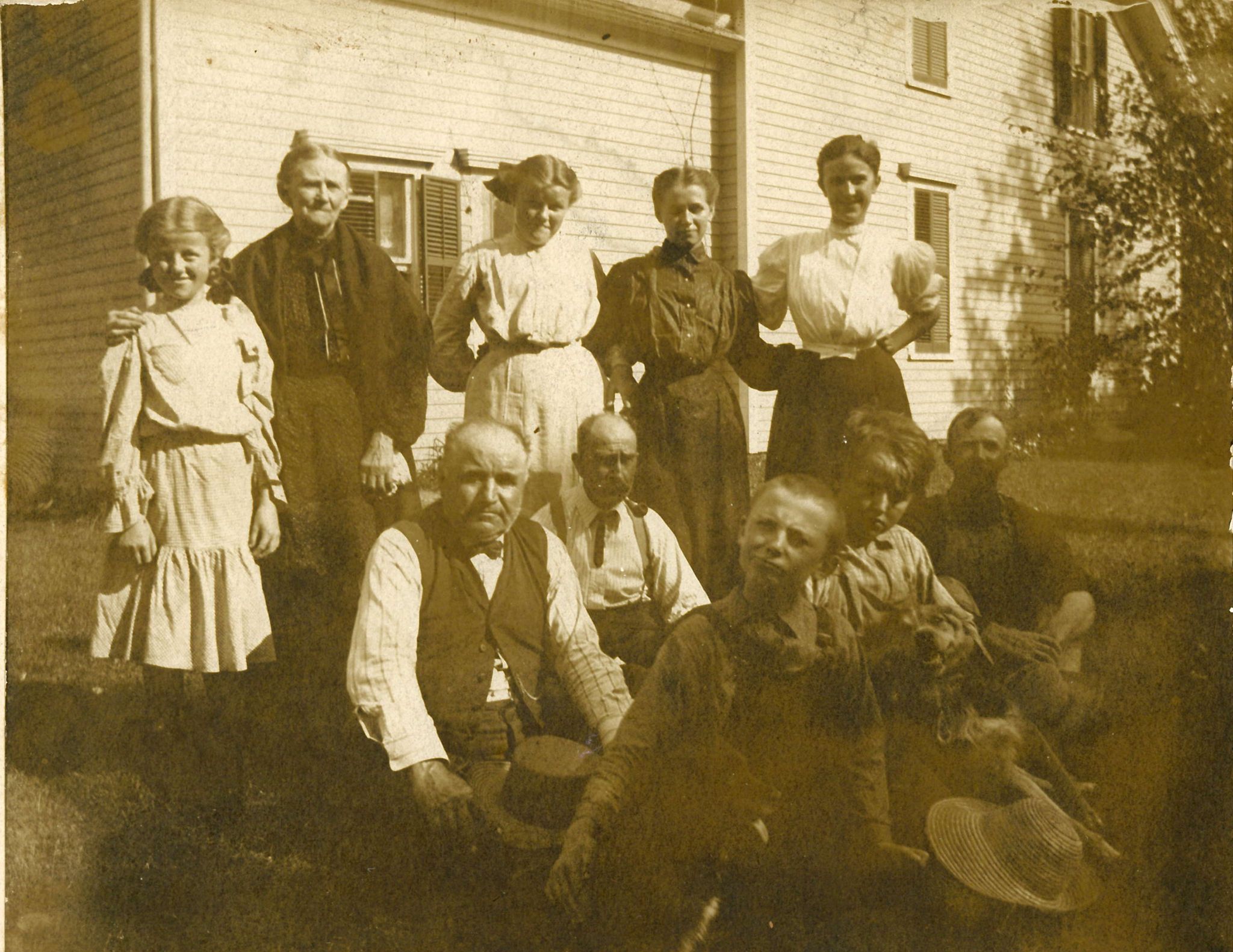
  • Photographs related to German-American history and experience.
  • Archival material related directly to the history and operation of German American Heritage Center and Museum.


Unfortunately due to limited space capacity we are very selective when accepting donations. We are unable to accept any books or bibles at this time.
ON INSTAGRAM
  • Follow Us!

German American Heritage Center and Museum

germanamericanheritagecenter

1,384 1,733

Museum exploring the German immigrant experience and history of Davenport and Iowa!

Open
In 2026, we celebrate the semiquincentennial (250) of the United States! Follow along as we highlight influential German immigrants throughout the history of the United States.

In 1733, John Peter Zenger (October 26, 1697 – July 28, 1746) traveled to America from the Palatinate as an indentured servant. He founded The New York Weekly Journal, the first independent newspaper in America. 

As issues were published, Zenger was soon sued for libel based on articles that accused the British governor of New York, William Cosby, of abusing his power over the colonies.

Two years later, with the help of his defense lawyer, Alexander Hamilton, Zenger was acquitted. The case established the principle that one could not be found guilty for publishing the truth, helping to lay the groundwork for freedom of the press in the colonies.

Their fight against censorship and suppression laid the foundation for the people’s rights and the broader struggle for colonial justice.

Image: Andrew Hamilton defending John Peter Zenger in court, 1734. Library of Congress. Caption: "By no means," exclaimed Hamilton, in his clear, thrilling, silvery voice, "It is not the bar, printing and publishing of a paper that will make it a libel, the words themselves must be libelous, that is false, scandalous, and seditious, else my client is not guilty." Page 558.

In 2026, we celebrate the semiquincentennial (250) of the United States! Follow along as we highlight influential German immigrants throughout the history of the United States.

In 1733, John Peter Zenger (October 26, 1697 – July 28, 1746) traveled to America from the Palatinate as an indentured servant. He founded The New York Weekly Journal, the first independent newspaper in America.

As issues were published, Zenger was soon sued for libel based on articles that accused the British governor of New York, William Cosby, of abusing his power over the colonies.

Two years later, with the help of his defense lawyer, Alexander Hamilton, Zenger was acquitted. The case established the principle that one could not be found guilty for publishing the truth, helping to lay the groundwork for freedom of the press in the colonies.

Their fight against censorship and suppression laid the foundation for the people’s rights and the broader struggle for colonial justice.

Image: Andrew Hamilton defending John Peter Zenger in court, 1734. Library of Congress. Caption: "By no means," exclaimed Hamilton, in his clear, thrilling, silvery voice, "It is not the bar, printing and publishing of a paper that will make it a libel, the words themselves must be libelous, that is false, scandalous, and seditious, else my client is not guilty." Page 558.
…

Open
We have loved seeing our visitors' thoughtful responses to the Violins of Hope. 

During the Holocaust, Jewish musicians played the violin to bring hope to their communities. Musicians relied on their instrument to help feed their families. 

"Lagerkapellen," or camp orchestras, were musical ensembles made up of imprisoned people in Nazi concentration camps, forced by the SS to perform during marches, roll calls, and even executions. These groups played marches, classical pieces, and sometimes were cruelly ordered to play “Tango of Death” selections to enforce labor rhythm, entertain guards, and inflict psychological torment. Though created under coercion, some prisoner-musicians used music quietly as an act of resilience and survival. 

Many of these imprisoned musicians were able to survive because of their role in the orchestras. Many stopped playing after they were freed because of the trauma associated with their instruments and the music. 

🕊️What gives you hope when life feels difficult?

🕊️What gives you courage to speak out against hate and violence?

🕊️If you could pass one message forward to the next generation, what would it be?

🕊️How can you use your voice, art, or kindness to bring hope to others?

We have loved seeing our visitors` thoughtful responses to the Violins of Hope.

During the Holocaust, Jewish musicians played the violin to bring hope to their communities. Musicians relied on their instrument to help feed their families.

"Lagerkapellen," or camp orchestras, were musical ensembles made up of imprisoned people in Nazi concentration camps, forced by the SS to perform during marches, roll calls, and even executions. These groups played marches, classical pieces, and sometimes were cruelly ordered to play “Tango of Death” selections to enforce labor rhythm, entertain guards, and inflict psychological torment. Though created under coercion, some prisoner-musicians used music quietly as an act of resilience and survival.

Many of these imprisoned musicians were able to survive because of their role in the orchestras. Many stopped playing after they were freed because of the trauma associated with their instruments and the music.

🕊️What gives you hope when life feels difficult?

🕊️What gives you courage to speak out against hate and violence?

🕊️If you could pass one message forward to the next generation, what would it be?

🕊️How can you use your voice, art, or kindness to bring hope to others?
…

Open
This violin belonged to Ole Steffen Dahl, a resistance fighter with the Danish Army who helped transport 7,200 Jewish Danes to safety in Sweden in 1943. 

Ole Dahl was also a luthier—a craftsperson who builds or repairs string instruments. This violin belonged to Steffen as a child, and he kept it with him his entire life. After his death, his son Chris kept this violin on a shelf at home for about 20 years. 

In 2023, Chris donated his father’s violin to the Violins of Hope project. 

You can see this violin on display at the museum through April 12th, and then will be transferred to Sioux City, Iowa to be played in their Symphony concerts. The Violins of Hope exhibiton will be at the German American Heritage Center and Museum through April 26th, 2026.

#violinsofhope #violins #history #museum

This violin belonged to Ole Steffen Dahl, a resistance fighter with the Danish Army who helped transport 7,200 Jewish Danes to safety in Sweden in 1943.

Ole Dahl was also a luthier—a craftsperson who builds or repairs string instruments. This violin belonged to Steffen as a child, and he kept it with him his entire life. After his death, his son Chris kept this violin on a shelf at home for about 20 years.

In 2023, Chris donated his father’s violin to the Violins of Hope project.

You can see this violin on display at the museum through April 12th, and then will be transferred to Sioux City, Iowa to be played in their Symphony concerts. The Violins of Hope exhibiton will be at the German American Heritage Center and Museum through April 26th, 2026.

#violinsofhope #violins #history #museum
…

Open
We're looking forward to some unique gifts and jewelry from our vendors on Saturday at our Eiermarkt Spring Vendor Market  from 10 am - 2 pm.

Here's a sneak peek at some of our vendors who will be here this weekend: 
Plants by Brad - will have a selection of live plants and crystals.
Mi Bella Resin - epoxy resin keychains, trays, and more, crocheted shawls, market bags, and earrings.
Trixie's Tipsy Teapots - yard art made out of repurposed teapots and other seasonal home decor.

FREE ADMISSION to the market and the museum all day. Browse for gifts and discover all our vendors have to offer. 
🗓️ Saturday March 28th, 2026
⏰ 10 am - 2 pm
📍 712 W 2nd St. Davenport, Iowa

We`re looking forward to some unique gifts and jewelry from our vendors on Saturday at our Eiermarkt Spring Vendor Market from 10 am – 2 pm.

Here`s a sneak peek at some of our vendors who will be here this weekend:
Plants by Brad – will have a selection of live plants and crystals.
Mi Bella Resin – epoxy resin keychains, trays, and more, crocheted shawls, market bags, and earrings.
Trixie`s Tipsy Teapots – yard art made out of repurposed teapots and other seasonal home decor.

FREE ADMISSION to the market and the museum all day. Browse for gifts and discover all our vendors have to offer.
🗓️ Saturday March 28th, 2026
⏰ 10 am – 2 pm
📍 712 W 2nd St. Davenport, Iowa
…

Open
What was the GAHC+M like in the 90s? 

After the purchase of our building in 1994, volunteers and community members came together to restore the former Standard Hotel and transform it into a museum and cultural heritage space. The 1860s building served as a modest hotel for early immigrants who ultimately settled in the Quad Cities area.

Over 30 years later, our vibrant organization has grown and become a landmark for preserving the immigrant stories that helped shape our community today. We're so thankful to those who had a vision and  were committed to a seemingly impossible task that became so much more than just "saving an old building."

Do you remember the building before the renovation?
#90s #museum #history #quadcities #qcthatswhere #QC #Iowa #Illinois

What was the GAHC+M like in the 90s?

After the purchase of our building in 1994, volunteers and community members came together to restore the former Standard Hotel and transform it into a museum and cultural heritage space. The 1860s building served as a modest hotel for early immigrants who ultimately settled in the Quad Cities area.

Over 30 years later, our vibrant organization has grown and become a landmark for preserving the immigrant stories that helped shape our community today. We`re so thankful to those who had a vision and were committed to a seemingly impossible task that became so much more than just "saving an old building."

Do you remember the building before the renovation?
#90s #museum #history #quadcities #qcthatswhere #QC #Iowa #Illinois
…

Open
We're looking forward to some unique gifts and goods from our vendors on Saturday at our Eiermarkt Spring Vendor Market  from 10 am - 2 pm.

Here's a sneak peek at some of our vendors who will be here this weekend: 
Becky Powell - Handmade goat milk soaps and lotions.

Heritage Natural Lather - andcrafted in Peoria, Illinois, we are a small-batch soap company committed to all-natural ingredients and local sustainability. HNL partners with neighboring makers and businesses to incorporate their natural byproducts—such as coffee grounds or flower petals—into soap bars, reducing waste and honoring those working to keep our economy local. From traditional German Soleseife (brine soap) to a variety of other nourishing formulations, Heritage Natural Lather products seek to transform your daily rituals into moments of precious pause.

FREE ADMISSION to the market and the museum all day. Browse for gifts and discover all our vendors have to offer. 
🗓️ Saturday March 28th, 2026
⏰ 10 am - 2 pm
📍 712 W 2nd St. Davenport, Iowa

We`re looking forward to some unique gifts and goods from our vendors on Saturday at our Eiermarkt Spring Vendor Market from 10 am – 2 pm.

Here`s a sneak peek at some of our vendors who will be here this weekend:
Becky Powell – Handmade goat milk soaps and lotions.

Heritage Natural Lather – andcrafted in Peoria, Illinois, we are a small-batch soap company committed to all-natural ingredients and local sustainability. HNL partners with neighboring makers and businesses to incorporate their natural byproducts—such as coffee grounds or flower petals—into soap bars, reducing waste and honoring those working to keep our economy local. From traditional German Soleseife (brine soap) to a variety of other nourishing formulations, Heritage Natural Lather products seek to transform your daily rituals into moments of precious pause.

FREE ADMISSION to the market and the museum all day. Browse for gifts and discover all our vendors have to offer.
🗓️ Saturday March 28th, 2026
⏰ 10 am – 2 pm
📍 712 W 2nd St. Davenport, Iowa
…

Open
We're looking forward to some unique gifts and jewelry from our vendors on Saturday at our Eiermarkt Spring Vendor Market  from 10 am - 2 pm.

Here's a sneak peek at some of our vendors who will be here this weekend: 
Silver Spoon Rings & Things - Jewelry made out of repurposed silverware and birdbaths.
T Sage Jewelry Designs - One-of-a-kind handmade and designed jewelry made from polymer clay.
Sharon's Christal Palace - Sterling silver and gemstone jewelry, earrings, bracelets, pendants, rings, minerals out of semi precious stones.
kacielynnheals | Soul Coach -  Handmade collage art pieces, books, tarot decks, incense, crystal jewelry, and more.

FREE ADMISSION to the market and the museum all day. Browse for gifts and discover all our vendors have to offer. 
🗓️ Saturday March 28th, 2026
⏰ 10 am - 2 pm
📍 712 W 2nd St. Davenport, Iowa

We`re looking forward to some unique gifts and jewelry from our vendors on Saturday at our Eiermarkt Spring Vendor Market from 10 am – 2 pm.

Here`s a sneak peek at some of our vendors who will be here this weekend:
Silver Spoon Rings & Things – Jewelry made out of repurposed silverware and birdbaths.
T Sage Jewelry Designs – One-of-a-kind handmade and designed jewelry made from polymer clay.
Sharon`s Christal Palace – Sterling silver and gemstone jewelry, earrings, bracelets, pendants, rings, minerals out of semi precious stones.
kacielynnheals | Soul Coach – Handmade collage art pieces, books, tarot decks, incense, crystal jewelry, and more.

FREE ADMISSION to the market and the museum all day. Browse for gifts and discover all our vendors have to offer.
🗓️ Saturday March 28th, 2026
⏰ 10 am – 2 pm
📍 712 W 2nd St. Davenport, Iowa
…

Open
We're looking forward to some unique gifts and art from our vendors on Saturday at our Eiermarkt Spring Vendor Market from 10 am - 2 pm.

Here's a sneak peek at some of our vendors who will be here this weekend: 
@prayerful.arts - Handmade pysanky eggs (traditional folk art), jewelry, and more.
 
@painted_wildflower - Painted artwork featuring bold florals and landscapes. 
Make sure to check out Painted Wildflower's custom painted ceramic pieces of our building! Available in the museum's gift shop.

FREE ADMISSION to the market and the museum all day. Browse for gifts and discover all our vendors have to offer. 
🗓️ Saturday March 28th, 2026
⏰ 10 am - 2 pm
📍 712 W 2nd St. Davenport, Iowa

We`re looking forward to some unique gifts and art from our vendors on Saturday at our Eiermarkt Spring Vendor Market from 10 am – 2 pm.

Here`s a sneak peek at some of our vendors who will be here this weekend:
@prayerful.arts – Handmade pysanky eggs (traditional folk art), jewelry, and more.

@painted_wildflower – Painted artwork featuring bold florals and landscapes.
Make sure to check out Painted Wildflower`s custom painted ceramic pieces of our building! Available in the museum`s gift shop.

FREE ADMISSION to the market and the museum all day. Browse for gifts and discover all our vendors have to offer.
🗓️ Saturday March 28th, 2026
⏰ 10 am – 2 pm
📍 712 W 2nd St. Davenport, Iowa
…

VISIT US

German American Heritage Center & Museum
712 W 2nd St.
Davenport, IA 52802

HOURS

Tuesdays – Saturdays open 10 am – 4 pm
Sundays open 12 – 4 pm
Closed Mondays

NEWSLETTER

This field is for validation purposes and should be left unchanged.
STAY CONNECTED
Instagram Facebook-f Twitter
Sign Up for our Newsletter
German American Heritage Center & Museum
712 W 2nd St.
Davenport, IA 52802
Tuesdays – Saturdays open 10 am – 4 pm
Sundays open 12 – 4 pm
Closed Mondays

Newsletter

Subscribe to get all latest news, updates.

This field is for validation purposes and should be left unchanged.